What if a box could break barriers instead of building them?
- Role
- Co-Project Manager
- Timeline
- 10 weeks · Fall 2024
- Team
- 2 people
Problem
Millions of children in rural India can’t build English literacy, held back by limited resources, infrastructure and support.
Solution
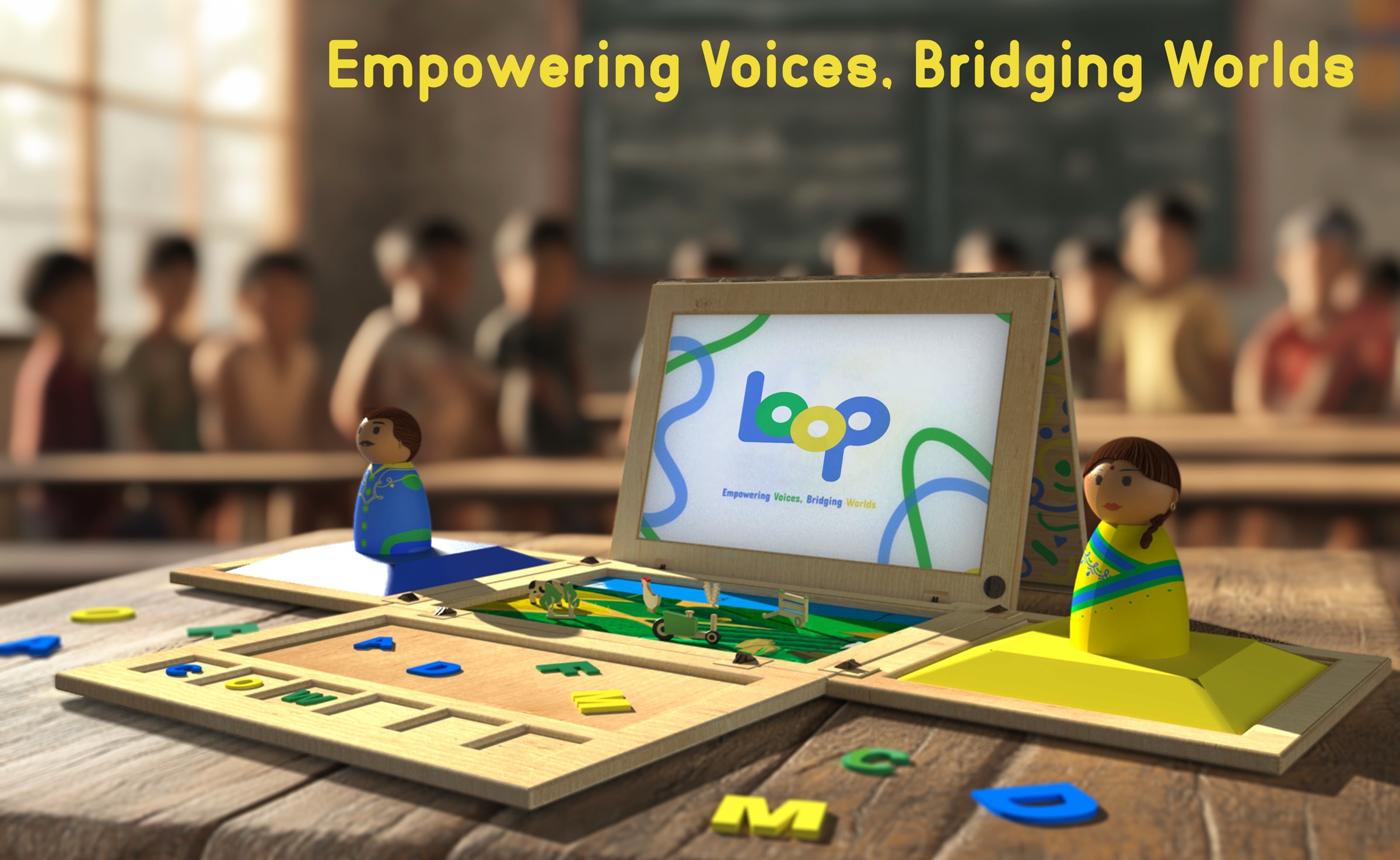
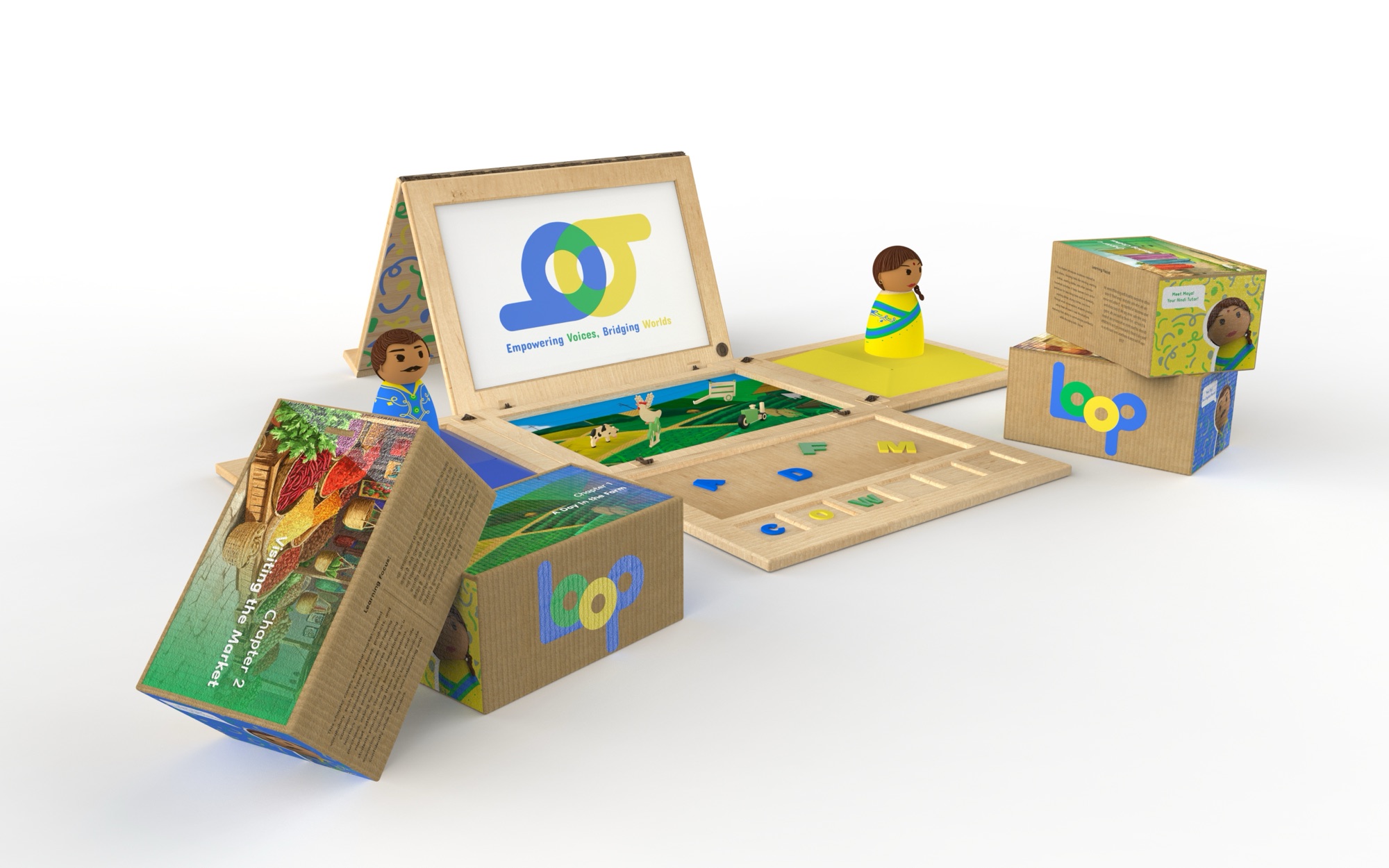
Loop, an affordable learning box with culturally rooted chapters, RFID-enabled pieces and self-guided tutors, so children learn at their own pace.
Impact
Won the European Product Design Award and an IDSA award, with NGOs ready to invest and local bamboo economies built around it.
Recognized by the European Product Design Award (2025 winner) and the IDSA International Design Excellence Awards.
01 · Context
Literacy in Rural India
Imagine having something to say, but no words to say it with: full of potential, yet invisible to the world. We wanted to build a tool not just for learning, but for being seen, heard and understood.
196 million
children are enrolled in schools in India.
Only 20 in 100
grade 3 students in rural India can read a simple English sentence.
Who says they speak English
A four-times gap between city and village, and English is the language of opportunity.
Why English
A Voice
English lets children speak up and be understood beyond their village.
Access
It opens up information, further education and digital tools.
An Equal Footing
It puts rural children level with their urban peers.
02 · Research
Research Approach
To understand the true scale of the problem, we moved from empathizing to understanding, specifying, ideating and designing.
- Empathize
- Understand
- Specify
- Ideate
- Design
- 20+
- articles analyzed
- 3
- education NGOs interviewed
- 12+
- on-ground interviews
- 8+
- product concepts
Key takeaway
Children may be enrolled, but a lack of resources, support and infrastructure means most are still struggling to learn, especially foundational English.
Conversations with NGOs
NGO Insights
Three education-focused NGOs shared challenges and cultural context we could never have grasped on our own.
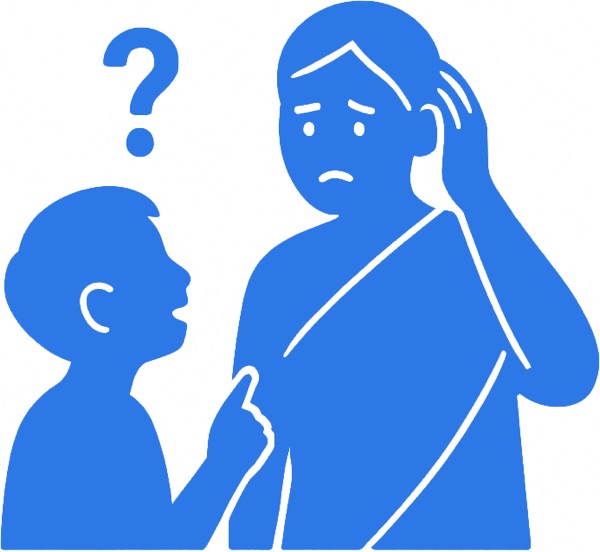
Unspecialized Teachers
Rural teachers know the alphabet, but aren’t trained to teach English at a higher level.

Limited Resources
Many families can’t afford more than the uniform, notebooks and a little stationery.
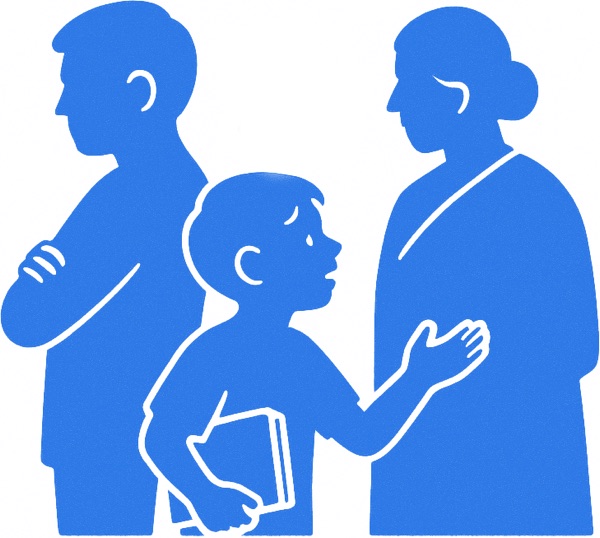
Little Support at Home
Many families are first-generation learners, or don’t read English, so learning stops at the school gate.
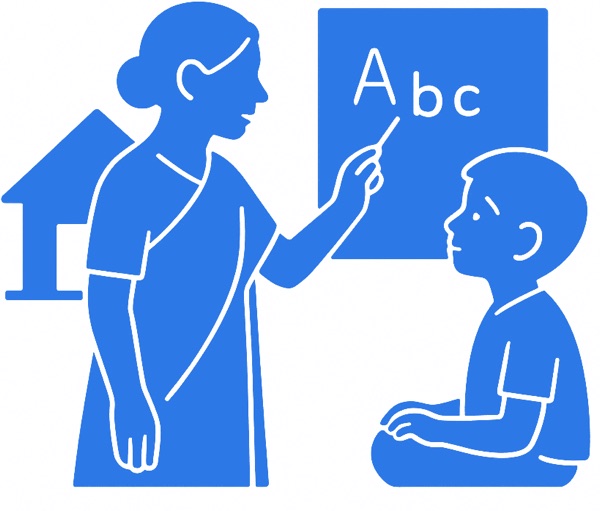
Single-Teacher Schools
One teacher often teaches every subject to several grades in a single classroom.
Primary audience
Children aged 6–12 in rural India, enrolled in school but facing barriers to foundational English literacy.
Secondary audience
Teachers, families and community members who shape a child’s learning environment.
03 · Designing Loop
Six Learning Needs
From our research, we defined the learning qualities Loop had to deliver to make English effective, engaging and accessible in a rural classroom.

- Progressive learning
- Collaborative learning
- Retentive learning
- Interactive learning
- Cultural learning
- Multisensory learning
Loop stands for connection, continuity and belonging, the foundations of meaningful learning.
- Crayola blueOpenness and calm.
- Pastel greenFocus for demanding tasks.
- Citrine yellowEnergy that helps memory.
- Pure whiteCalm, and a feeling of trust.
04 · Exploration
Concept Exploration
Guided by our must-haves, we explored forms on paper, then in 3D, prioritizing culturally relevant characters, interactive storytelling, task-based and multisensory learning, and clear visual cues.
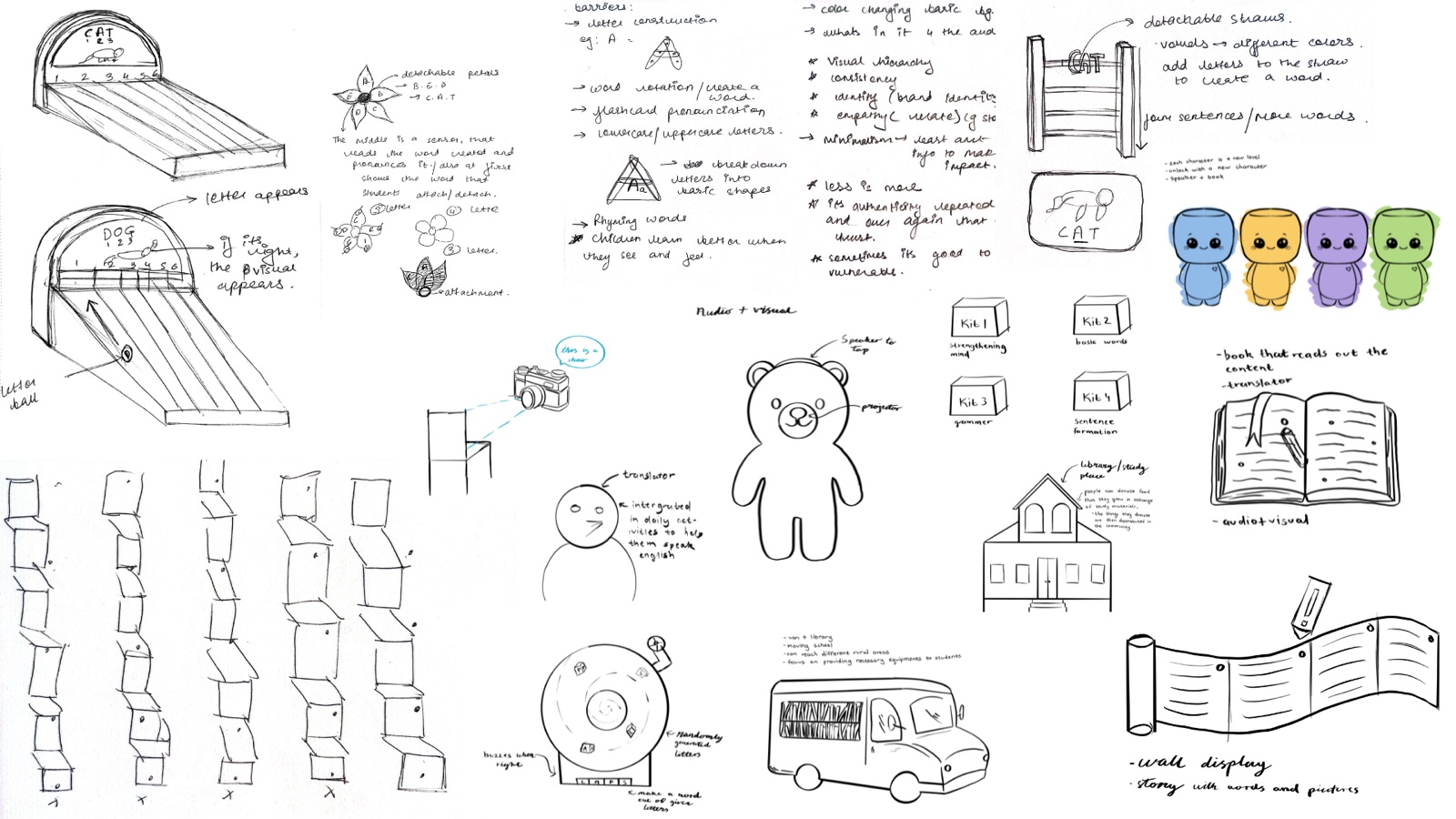 01 · Sketch
Ideas on Paper
Forms, characters and features, explored against our list of must-haves.
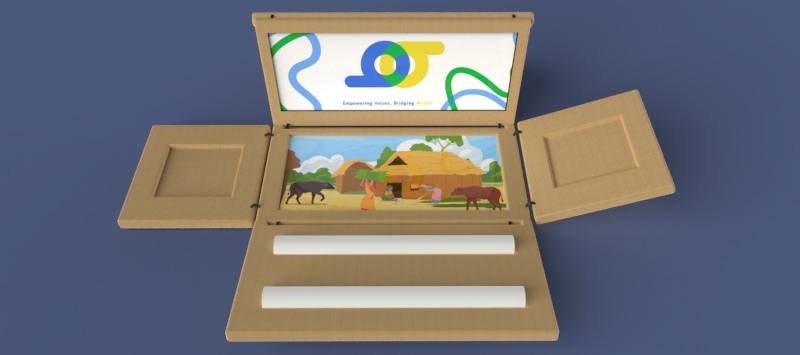 02 · Prototype
Too Complex
The first box format packed in too much and served only 1–2 students.
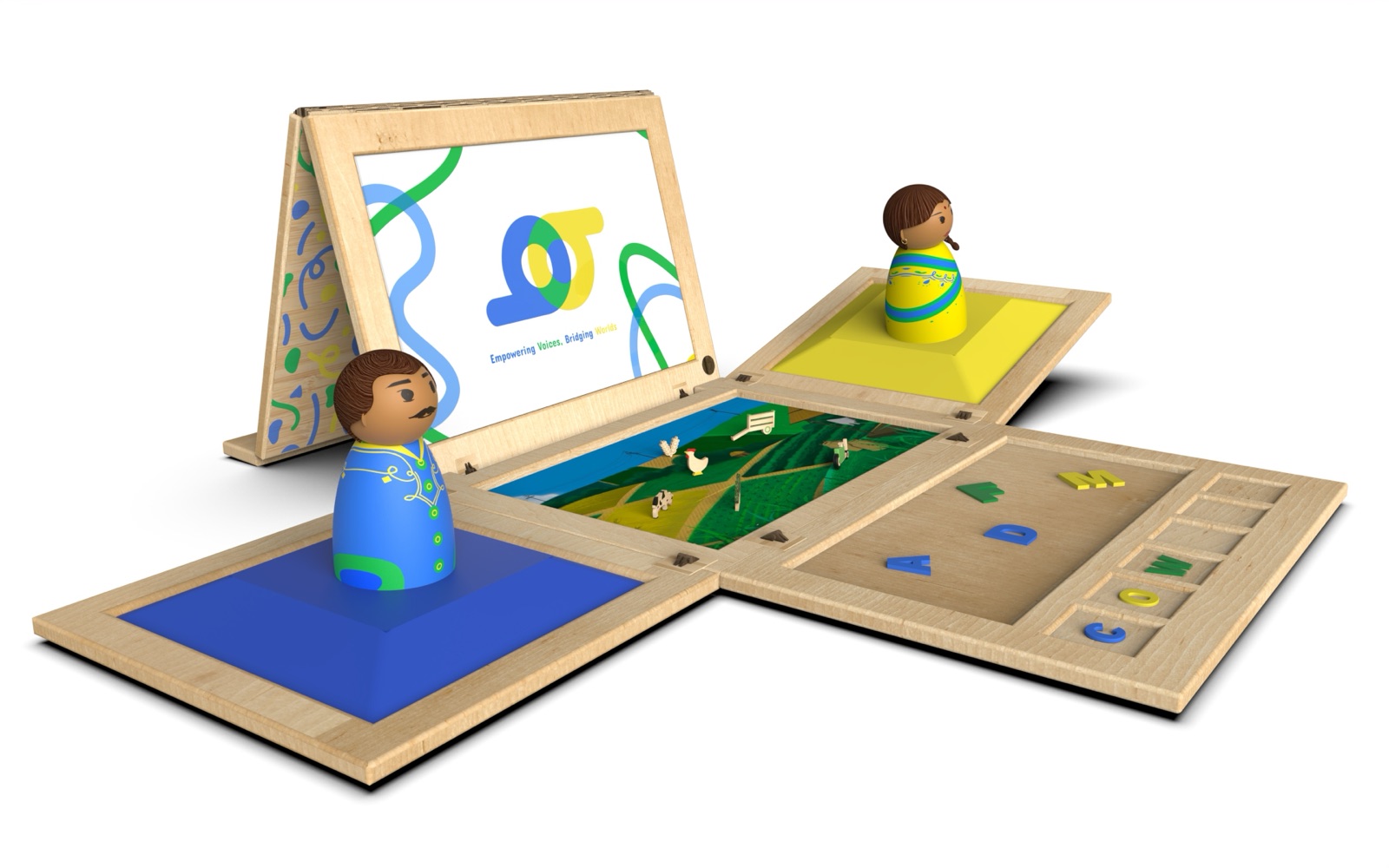 03 · After testing
Built for a Group
Simplified to a rectangular box with fold-out features, for 7–8 students at once.
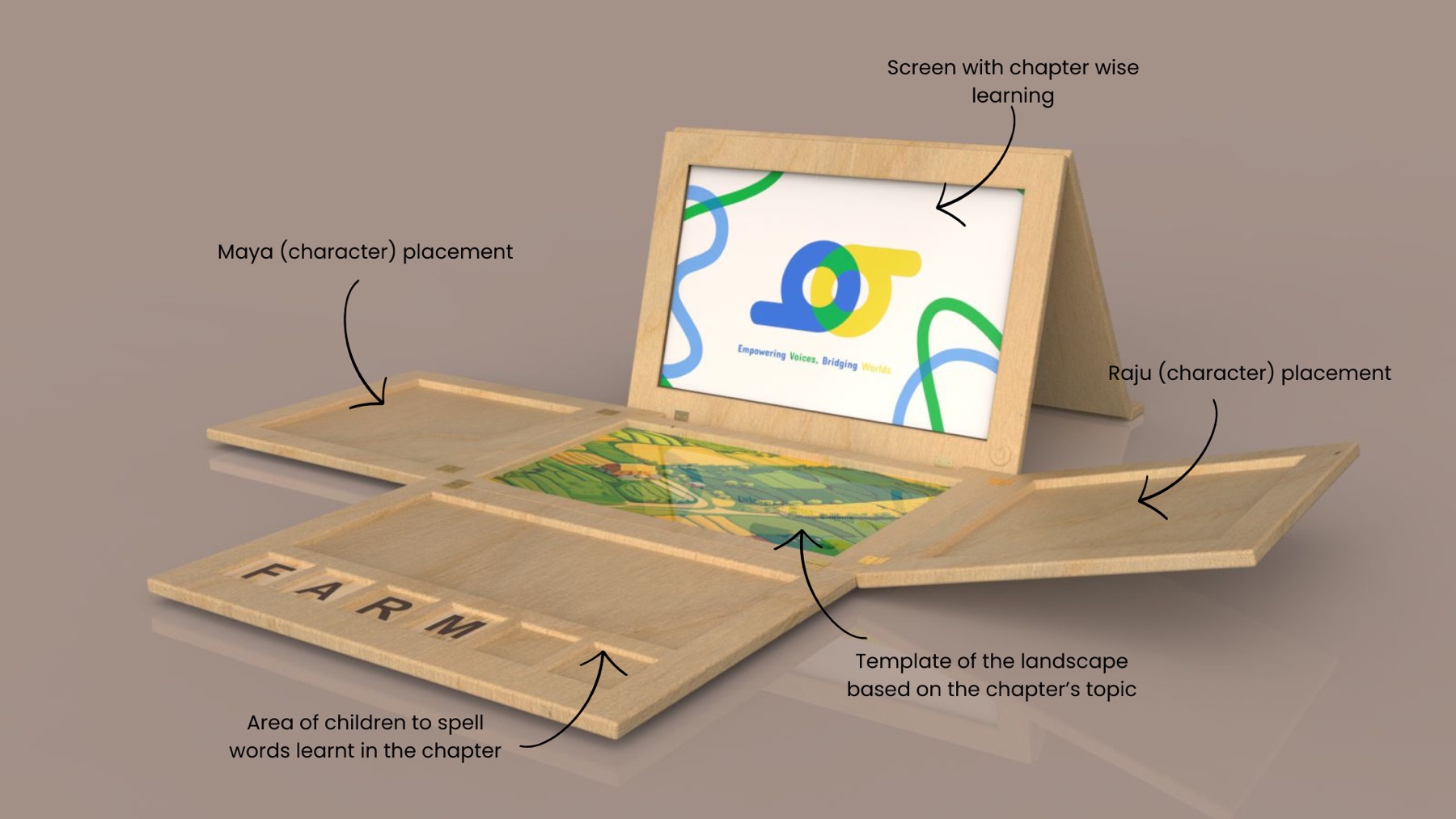
05 · The Product
Product Features
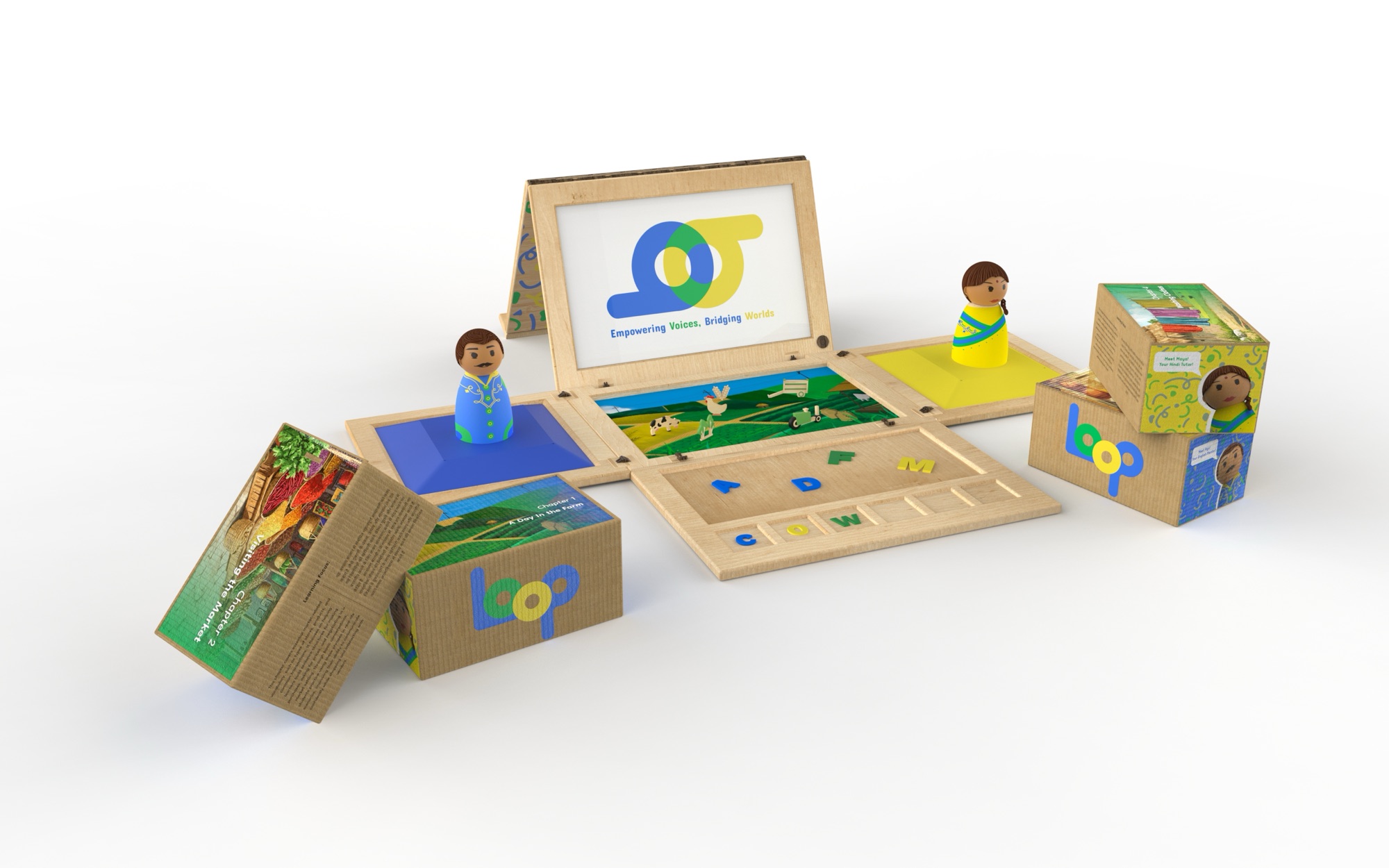
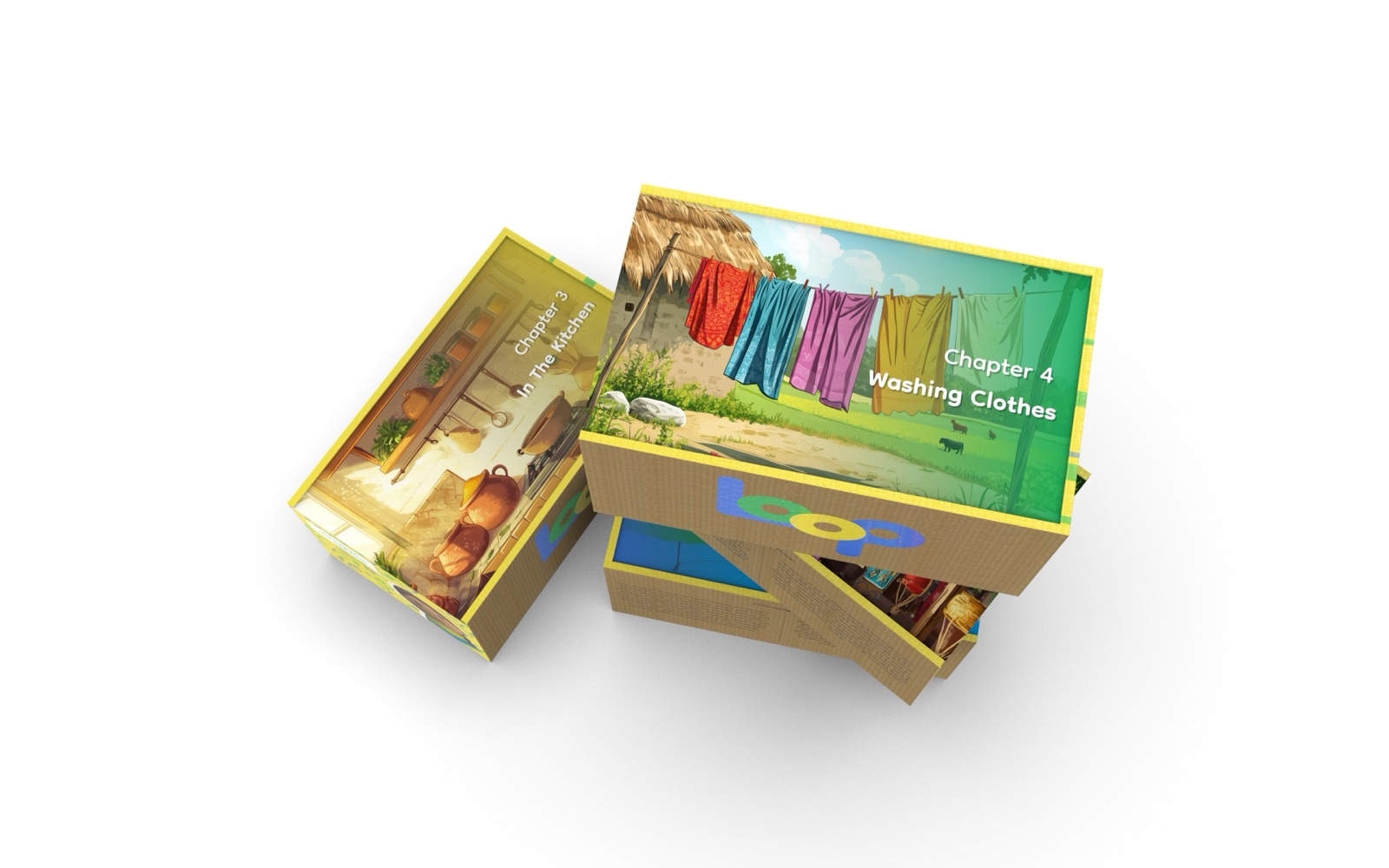
Each chapter of Loop is rooted in Indian life: a farm, a market, a festival. Children move from basic vocabulary to sentences to real conversation.
- 01
Interactive Screen
An LED screen runs chapter-based lessons built on Indian customs, progressing from vocabulary to sentences to conversation.
- 02
Visual Landscape
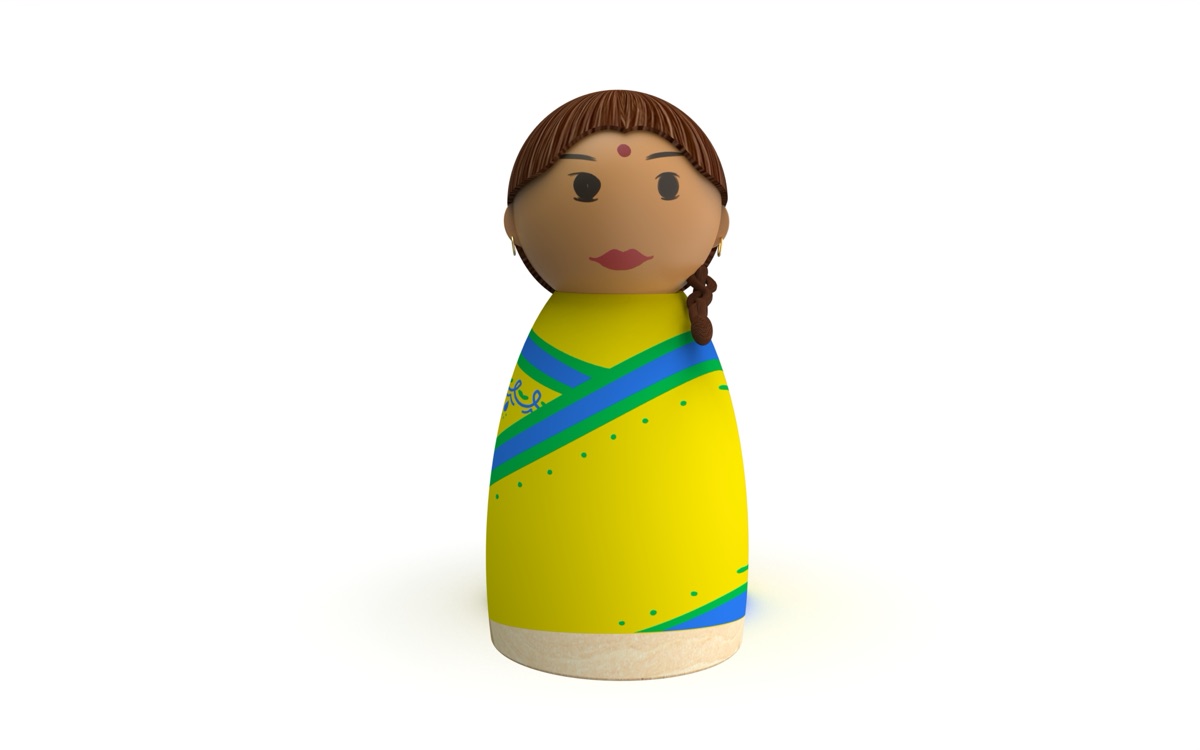
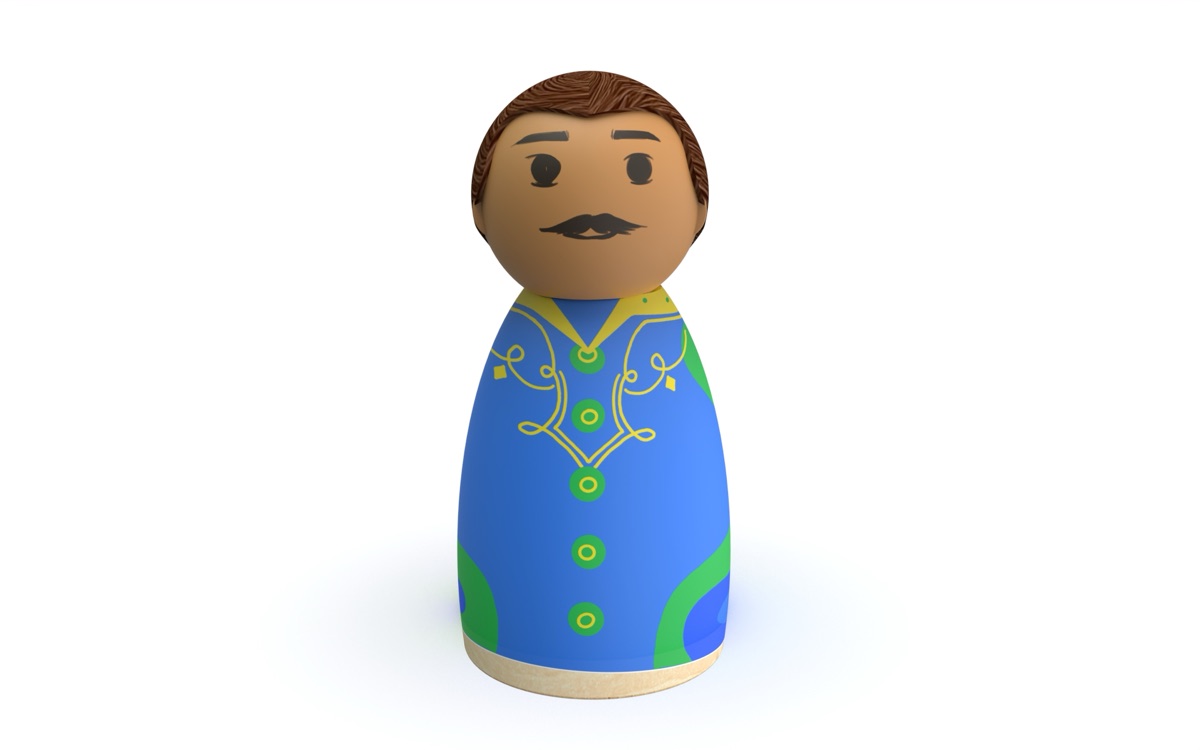
Each chapter’s landscape holds culturally inspired objects. Matching a piece to its word activates the screen and brings Maya and Raju to life.
- 03
Self-Guided Tutors
Maya teaches in Hindi and Raju mentors in English, assigning tasks and guiding students through each chapter, so learning doesn’t depend on a trained English teacher.
- 04
Live Spell Assist
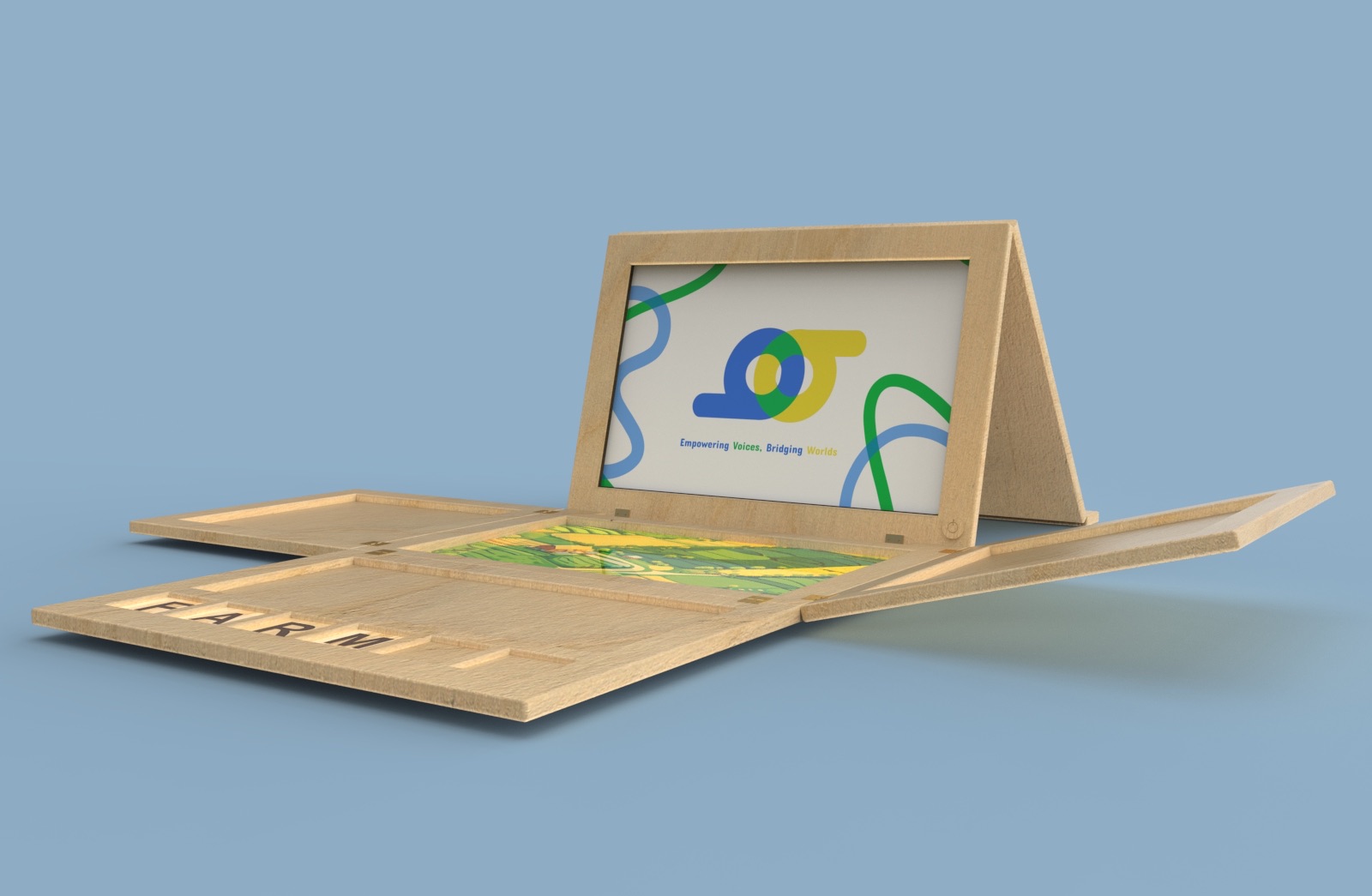
A spelling board where children spell the word on screen with letter tiles and get instant feedback on accuracy.
Try live spell assist
Spelling Game
Maya says the word in Hindi. Raju asks for it in English. Tap the tiles in order to spell it.
06 · Made Locally
Bamboo Manufacturing
Loop is made from bamboo, and India is the world’s second-largest bamboo producer. Sourcing and producing locally keeps Loop affordable and puts its value back into rural communities.
- Creates jobs within rural communities
- Empowers artisans and small-scale manufacturers
- Builds new skills through training and production
- Generates consistent income for underserved families
07 · Learnings
What I Learned
-
01

Understand the Audience Truly
The challenge
Coming from a different educational background, I underestimated how overwhelming traditional English learning is for children in rural India.
What I learned
Field research and interviews shifted my perspective, to see learning through their lens, not mine.
-
02

Merge Without Overcomplicating
The challenge
Early on, we packed chapters, characters, audio and interaction into one kit, and it became confusing and impractical.
What I learned
The value of modularity: clear, self-contained chapters simplified the experience for children and educators.
-
03

Serious Purpose, Playful Design
The challenge
Literacy is life-changing, but the product couldn’t lose the joy and imagination that draw kids in.
What I learned
Thoughtful branding does both: relevant characters, warm visuals and a playful tone made Loop inviting without losing its impact.
Empowering voices, bridging worlds