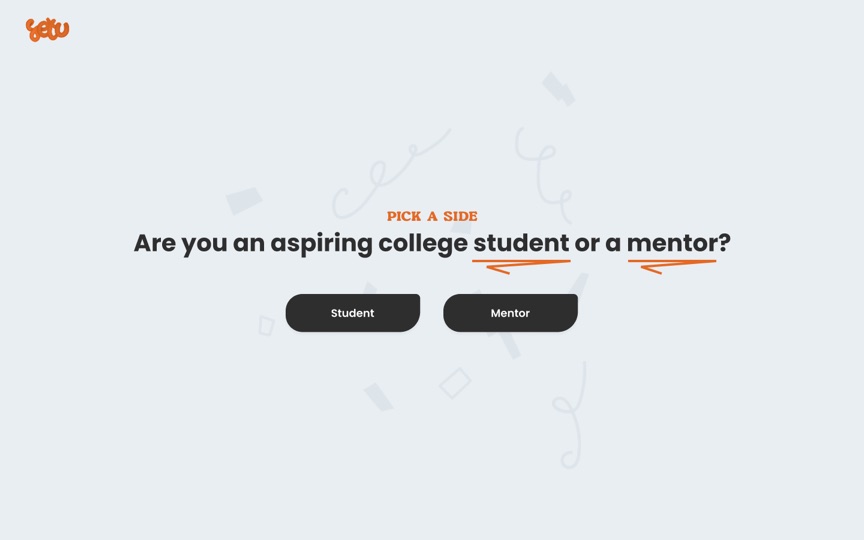
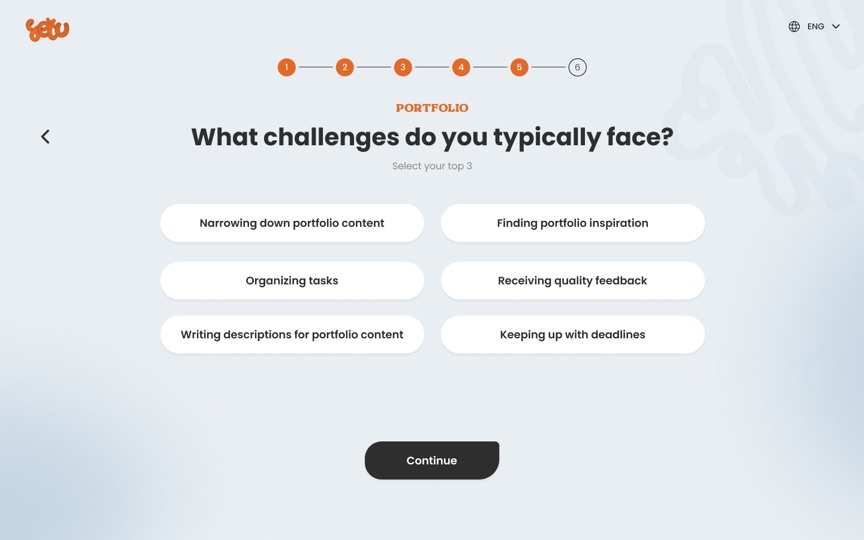
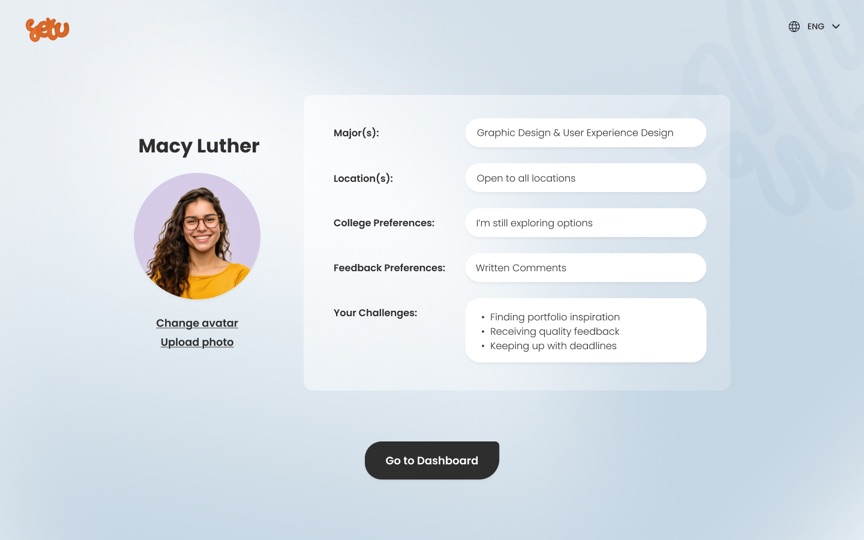
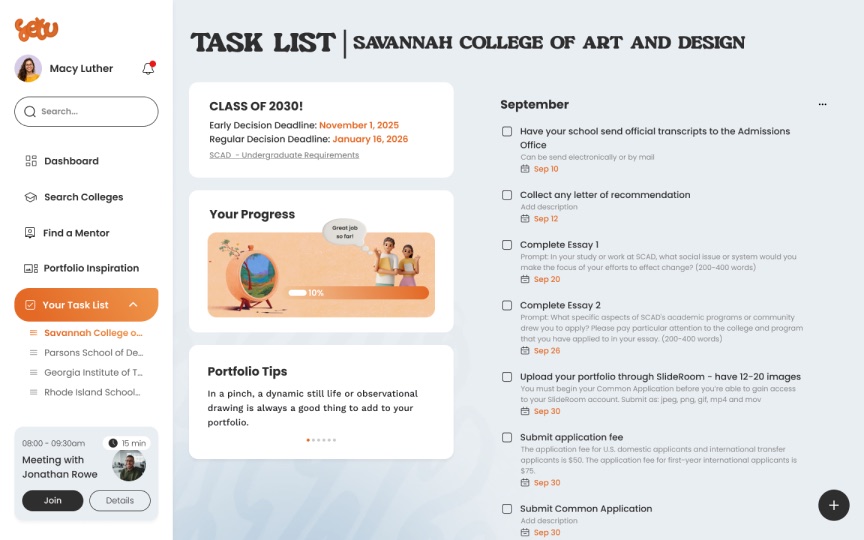
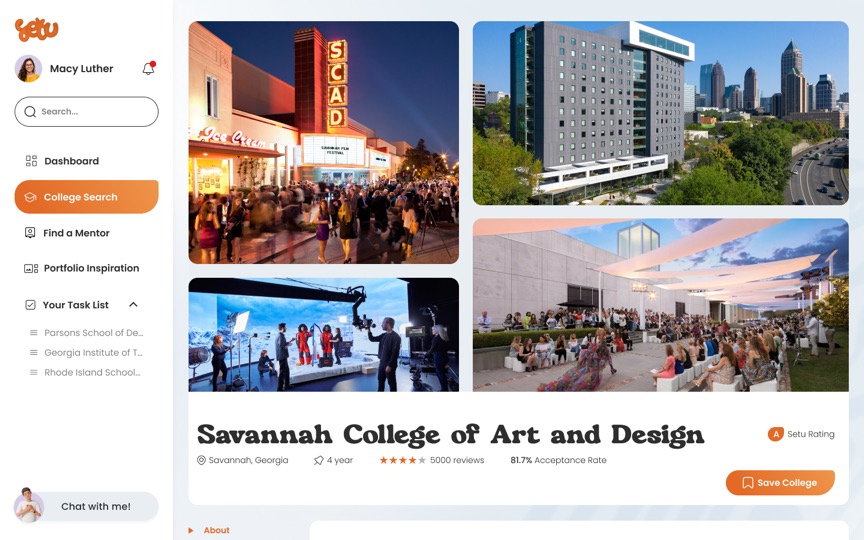

Uncover your options
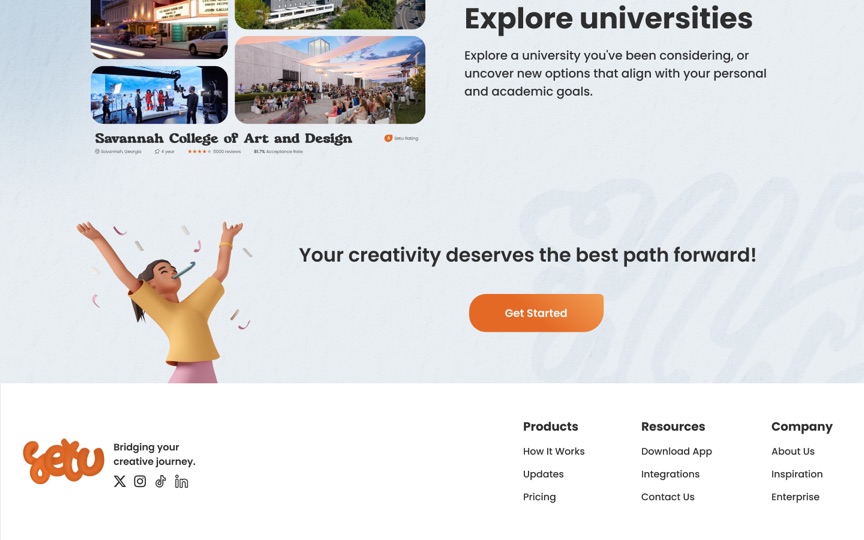
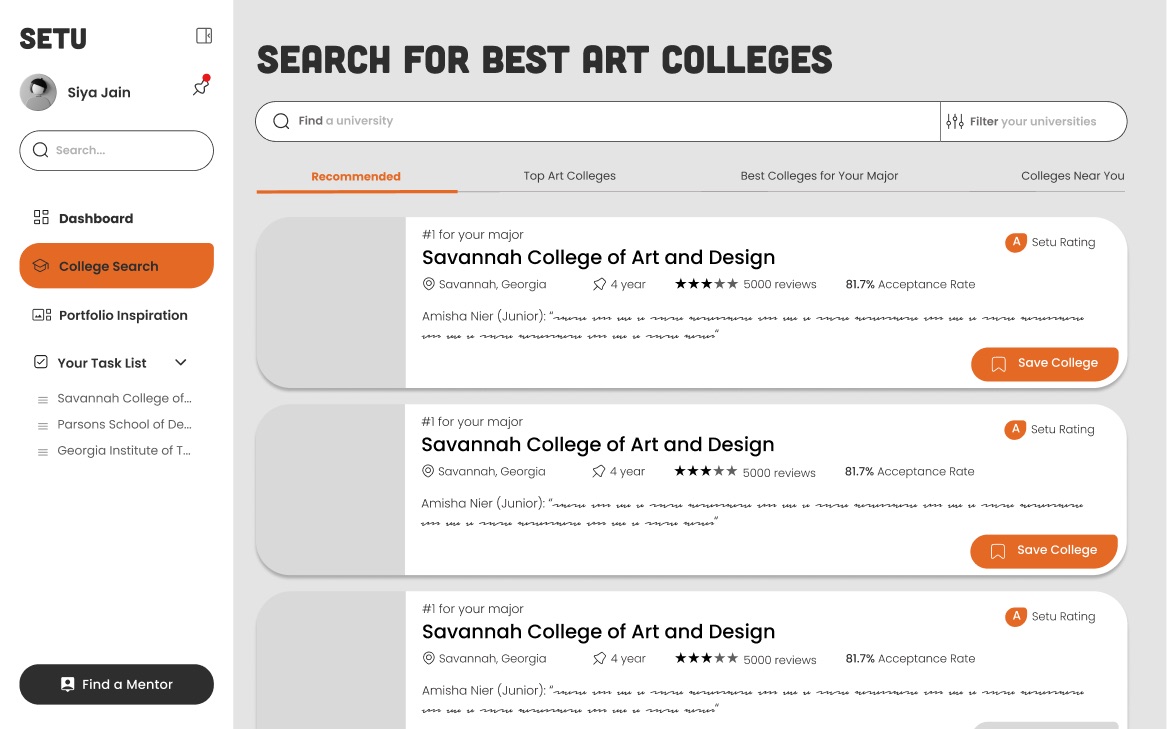
Explore Universities
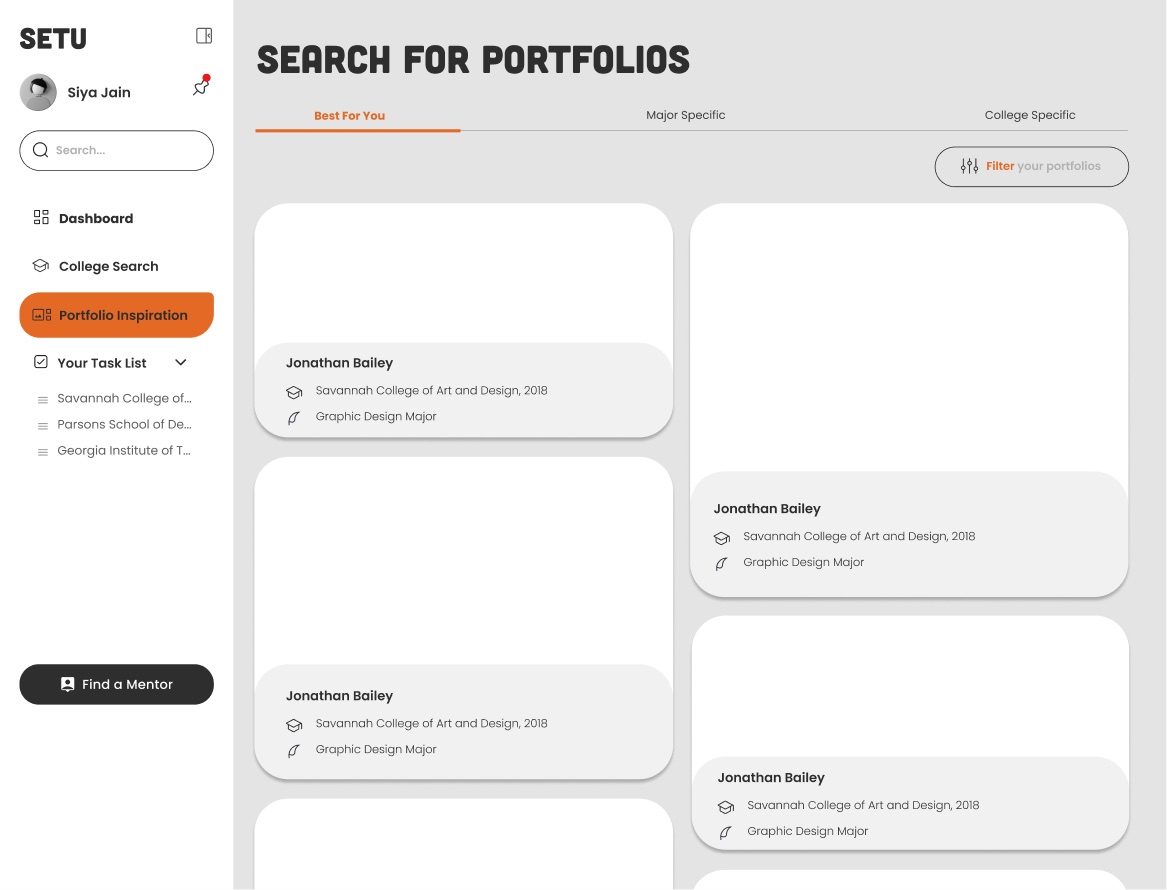
Explore a university you’ve been considering, or uncover new options that align with your personal and academic goals.
01 · Overview
Problem
Aspiring art and design students often lack the guidance, mentorship, and structure needed to build portfolios that meet college expectations.
Solution
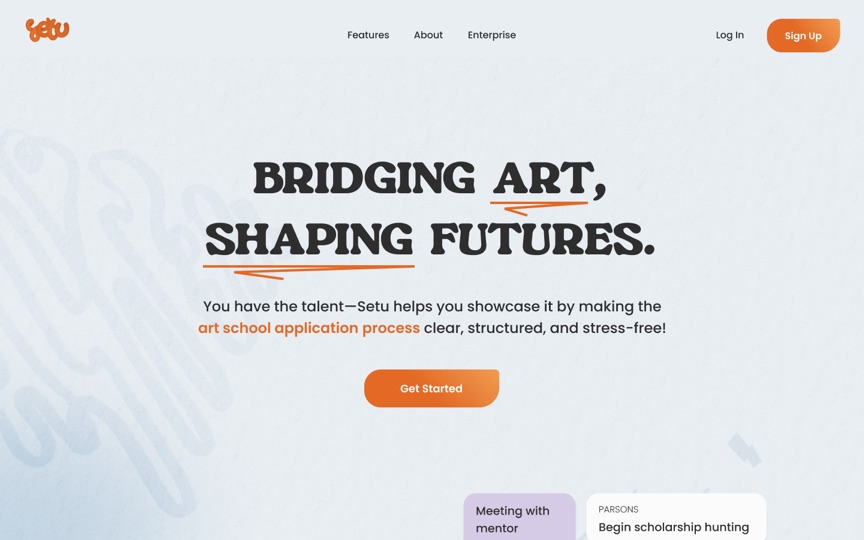
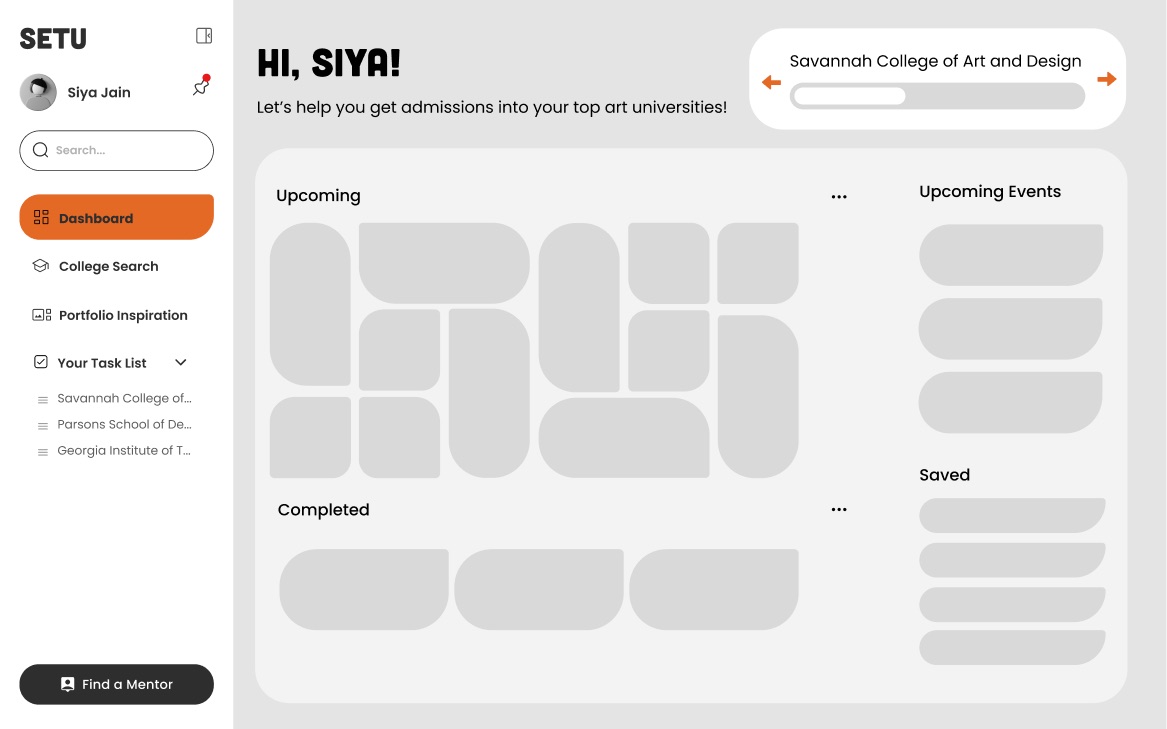
Setu helps aspiring art and design students confidently build portfolios, meet college requirements, and showcase their creativity.
Impact
Recognized with an IDA Design Award and validated with 50+ upcoming designers and students.
Recognized with an IDA Design Award.
02 · The Product
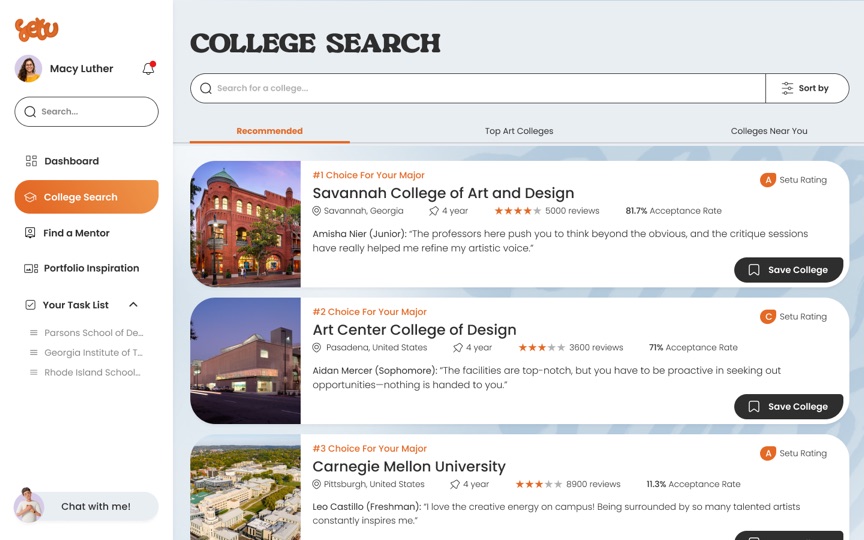
Uncover your options
Explore a university you’ve been considering, or uncover new options that align with your personal and academic goals.
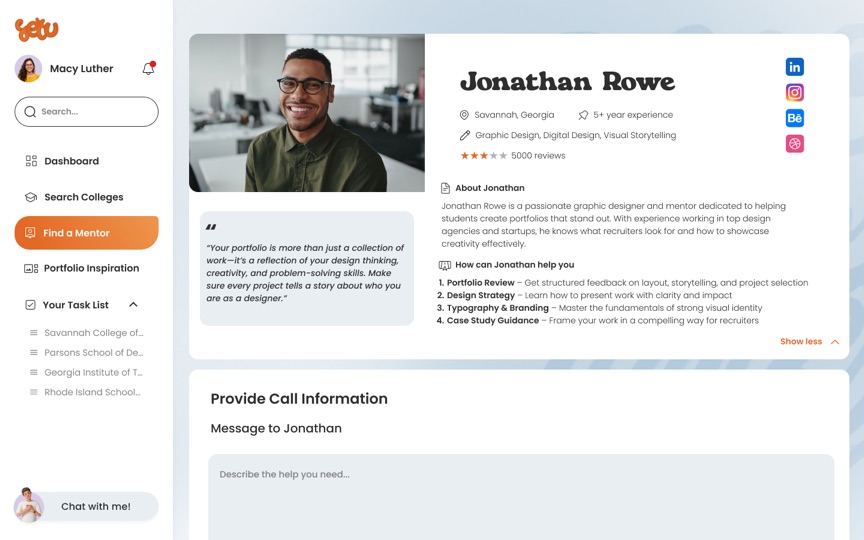
Receive guidance
Take advantage of individualized mentorship tailored to your specific needs from professionals in the industry.
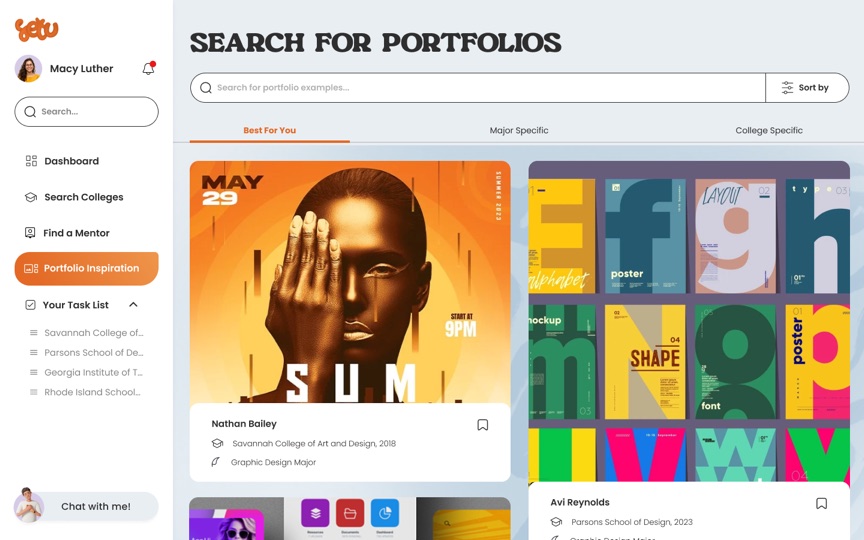
Be inspired
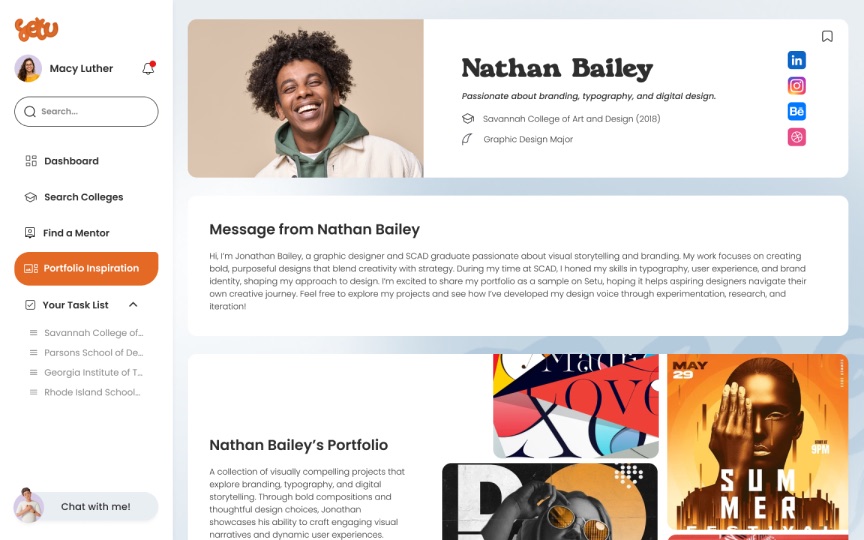
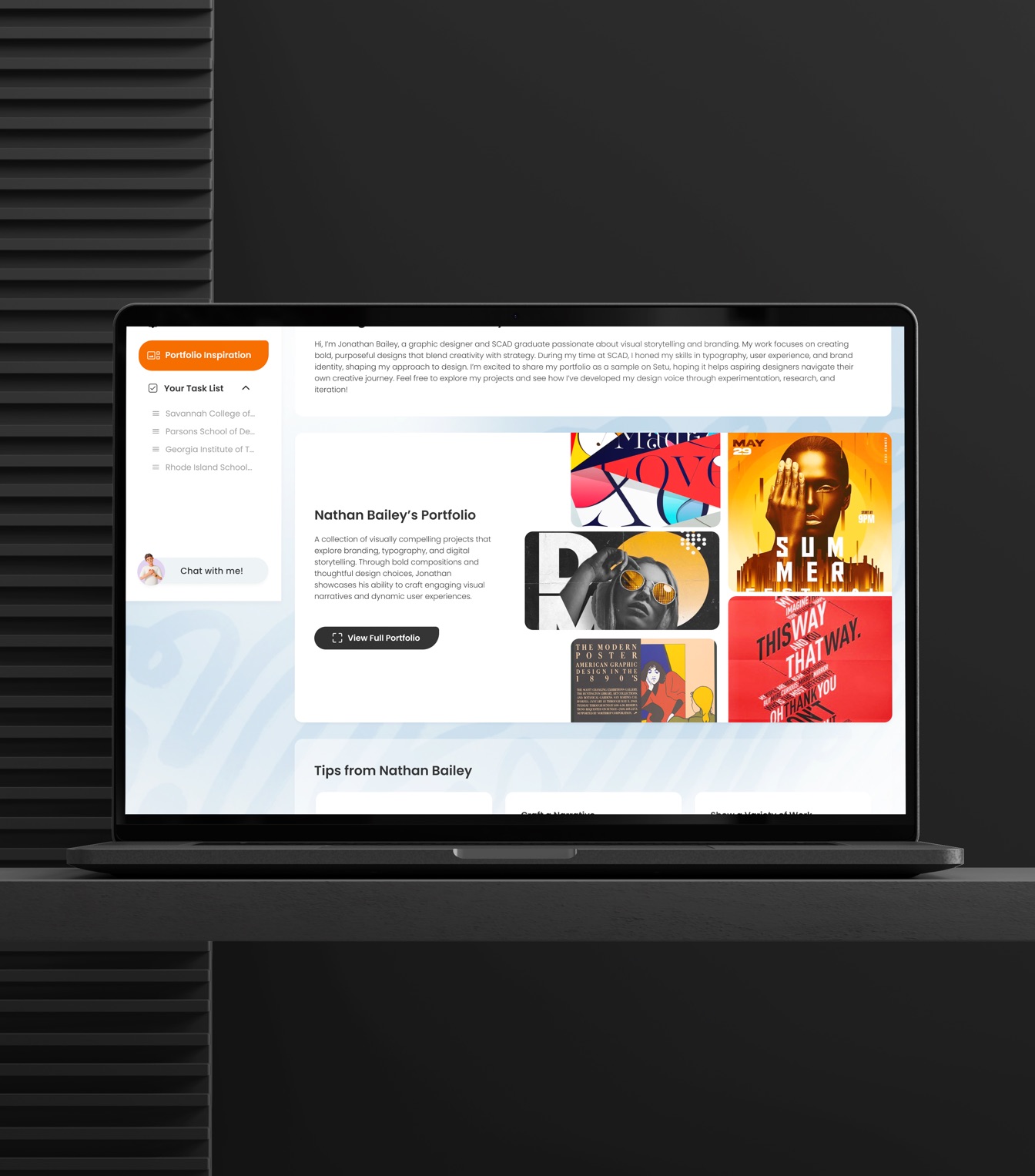
Explore a diverse gallery showcasing accepted portfolios from current students and alumni to inspire you to create.
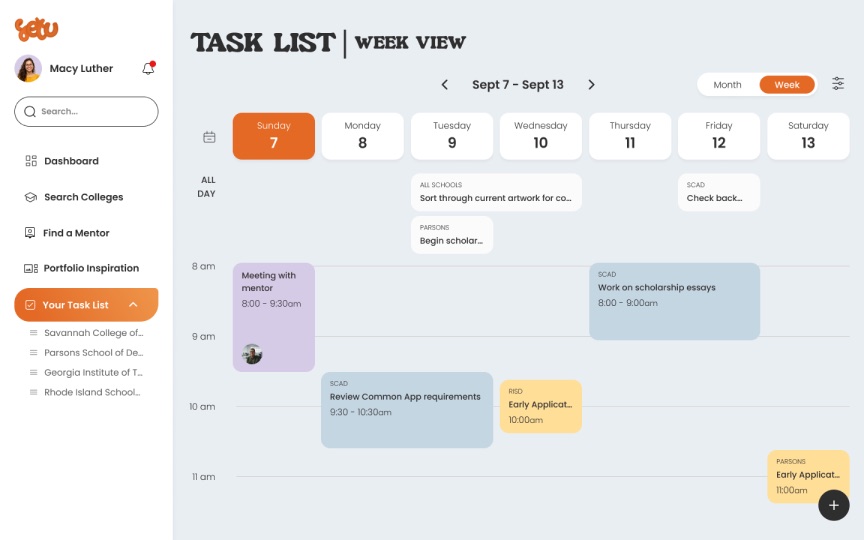
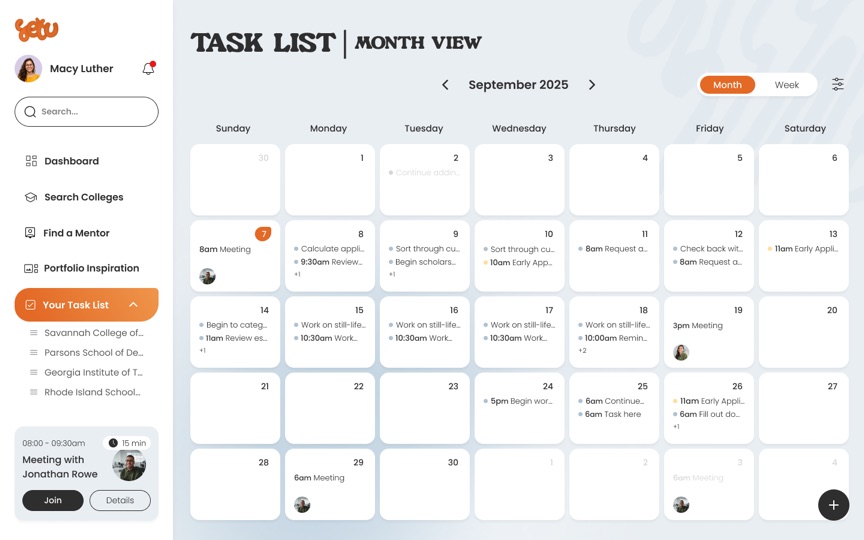
Stay organized
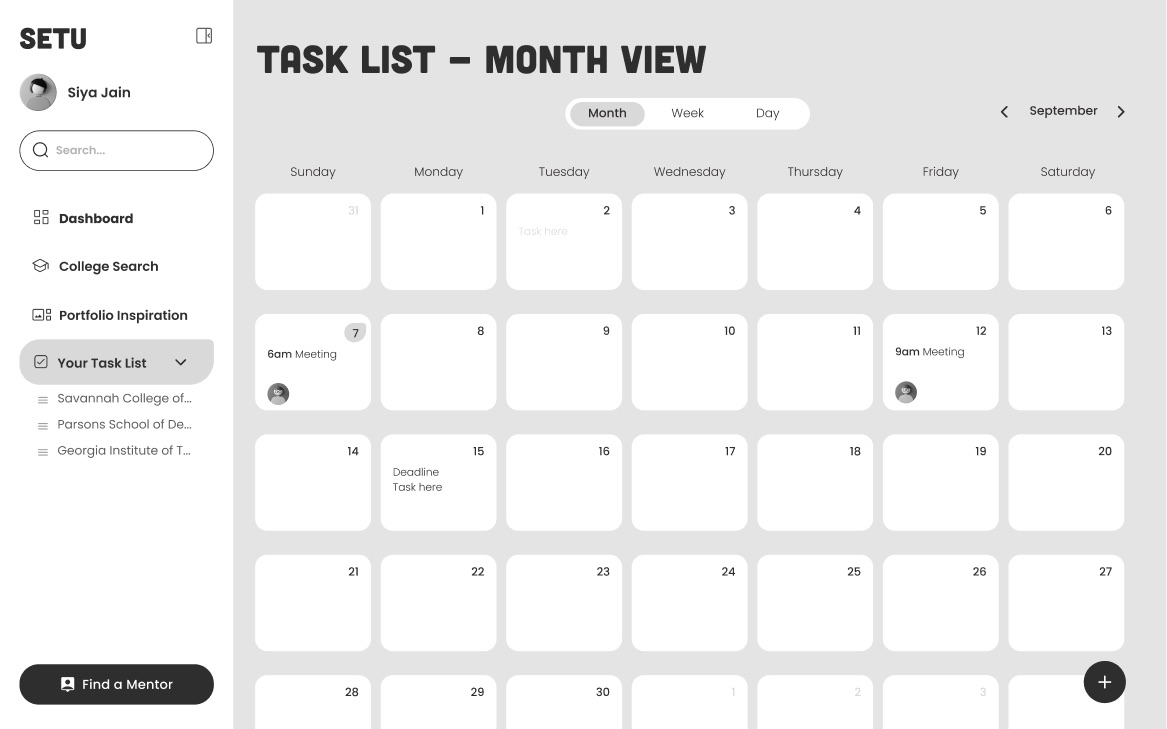
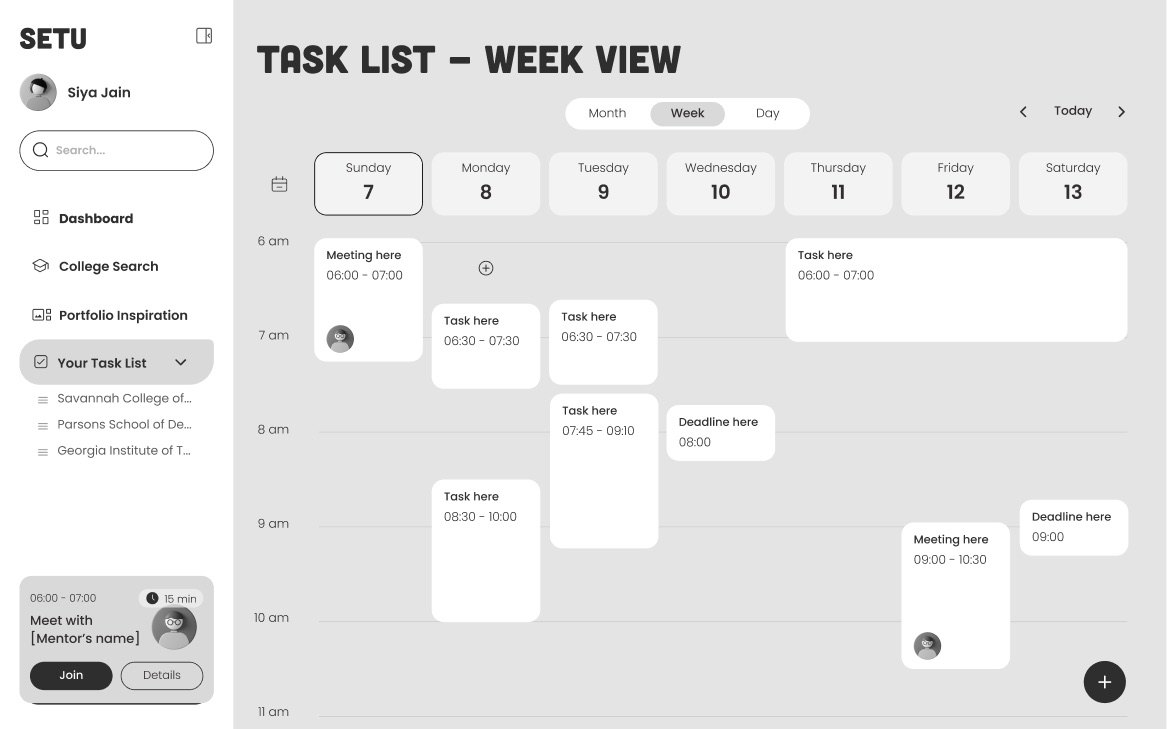
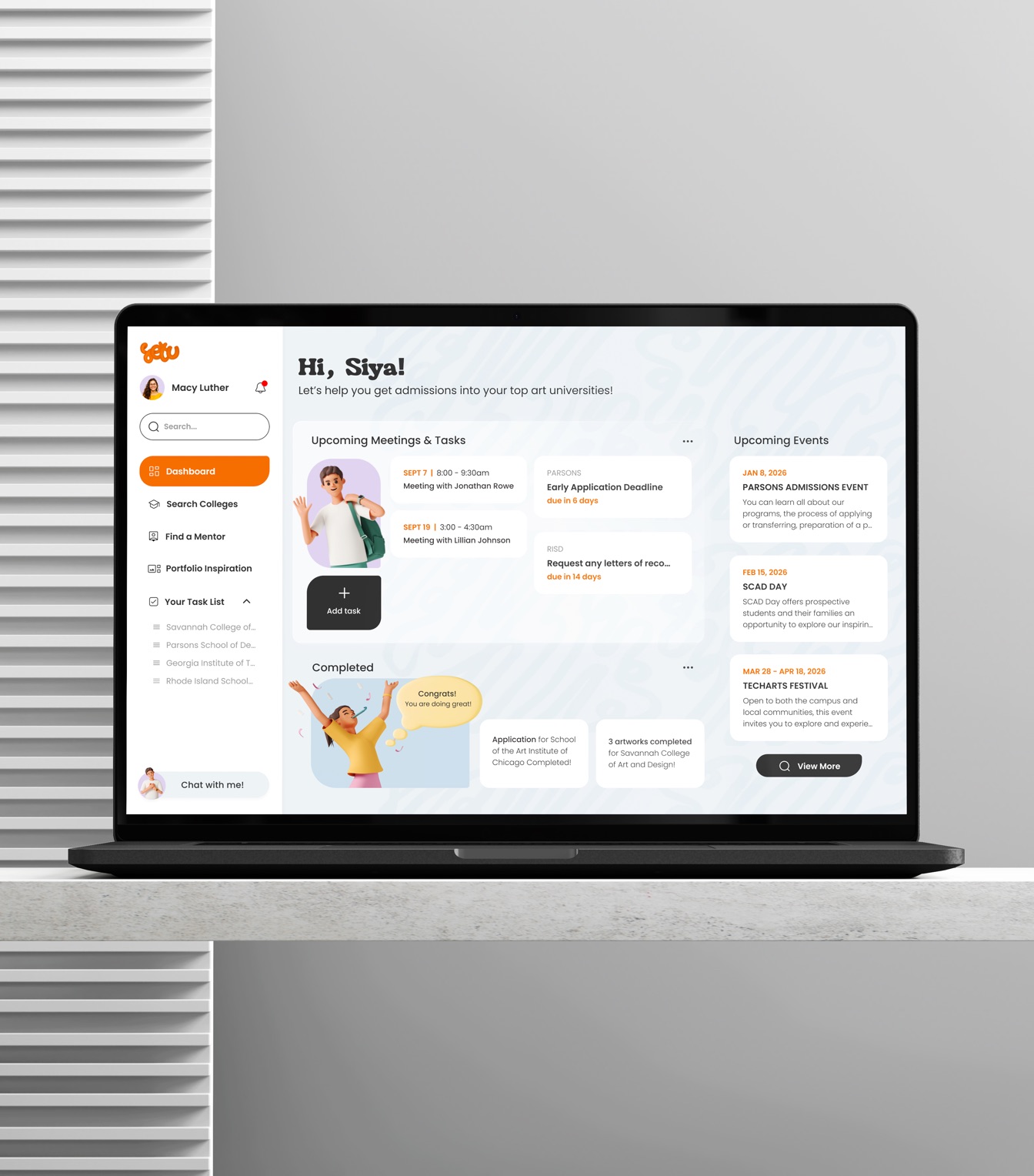
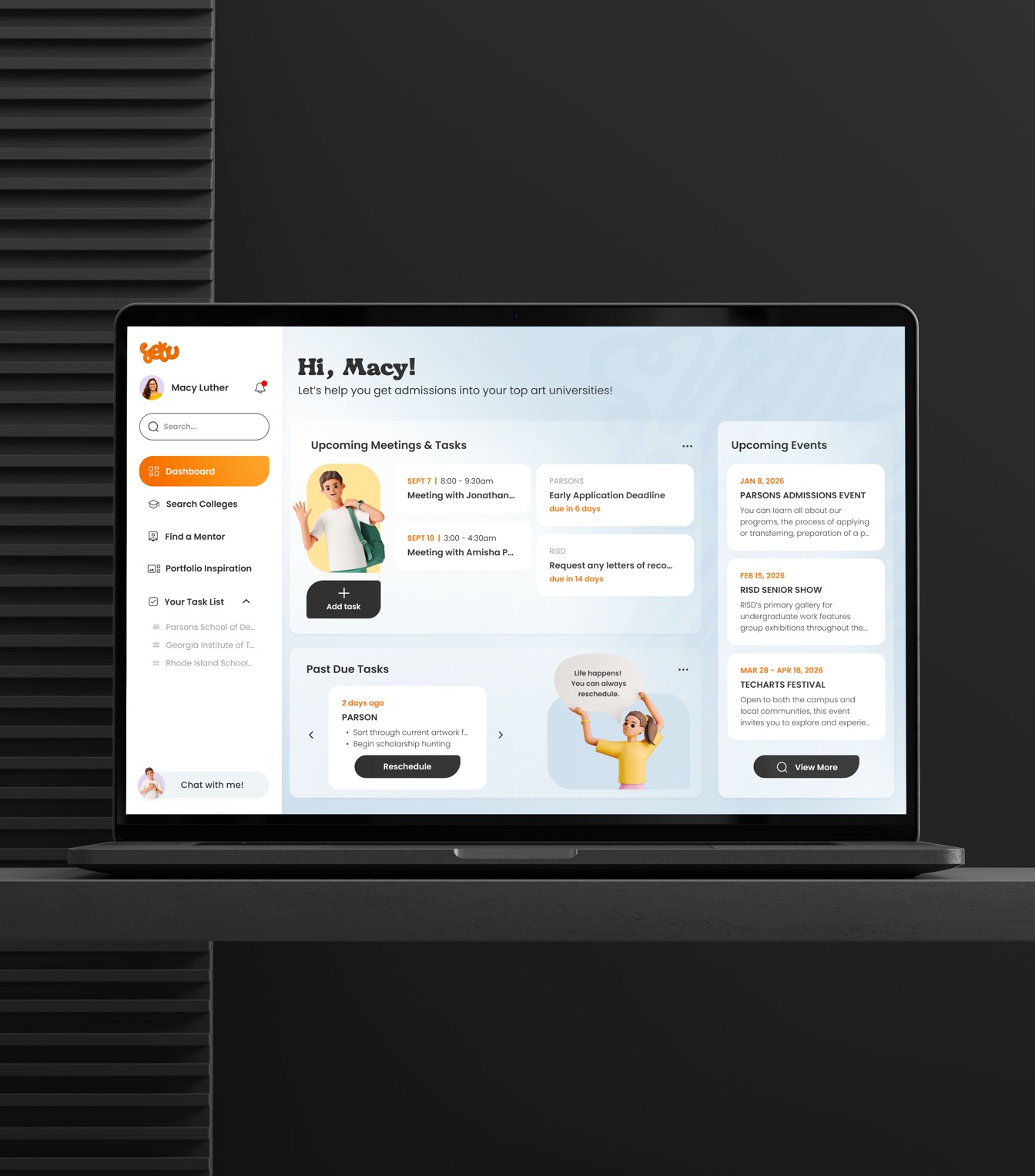
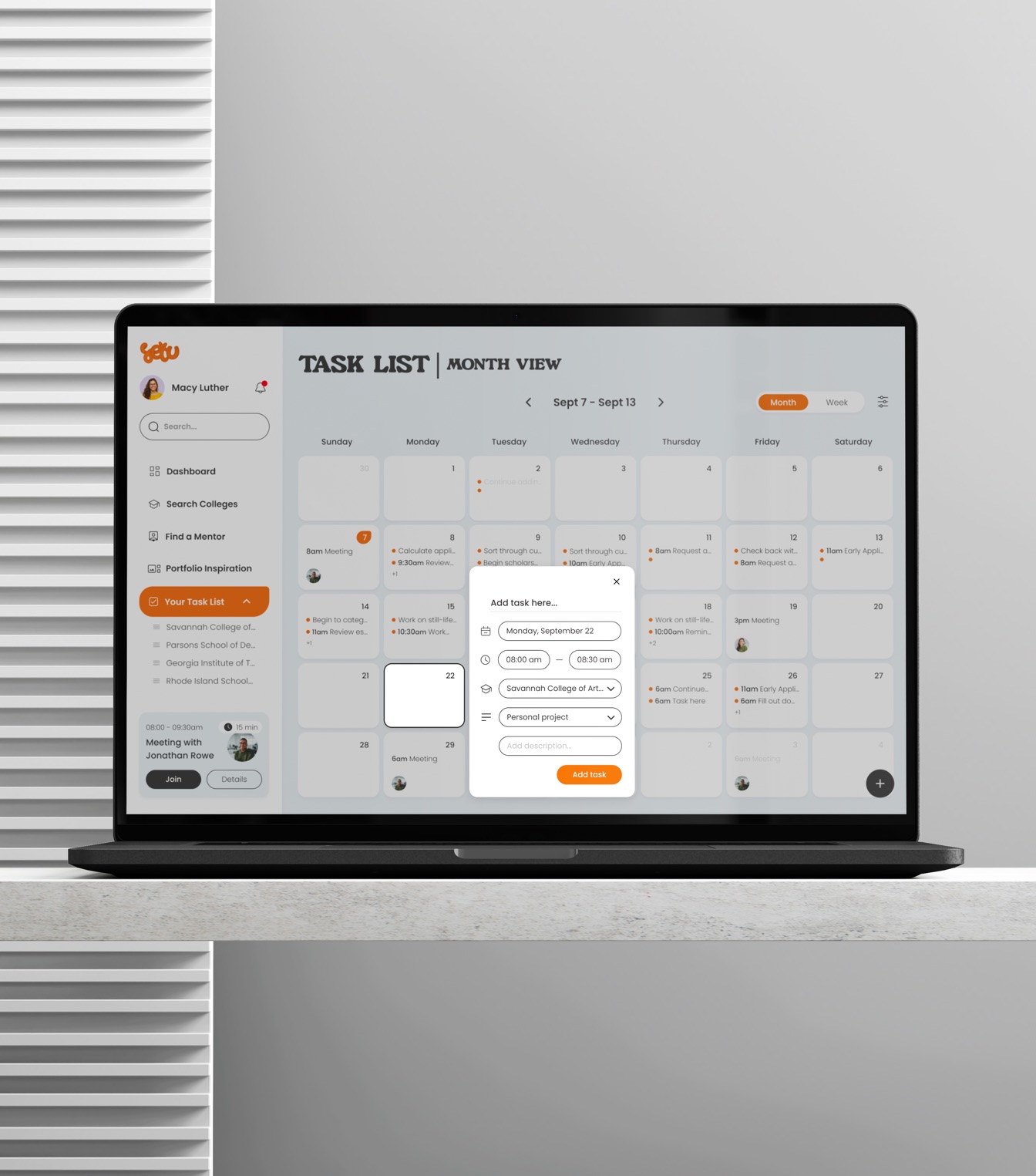
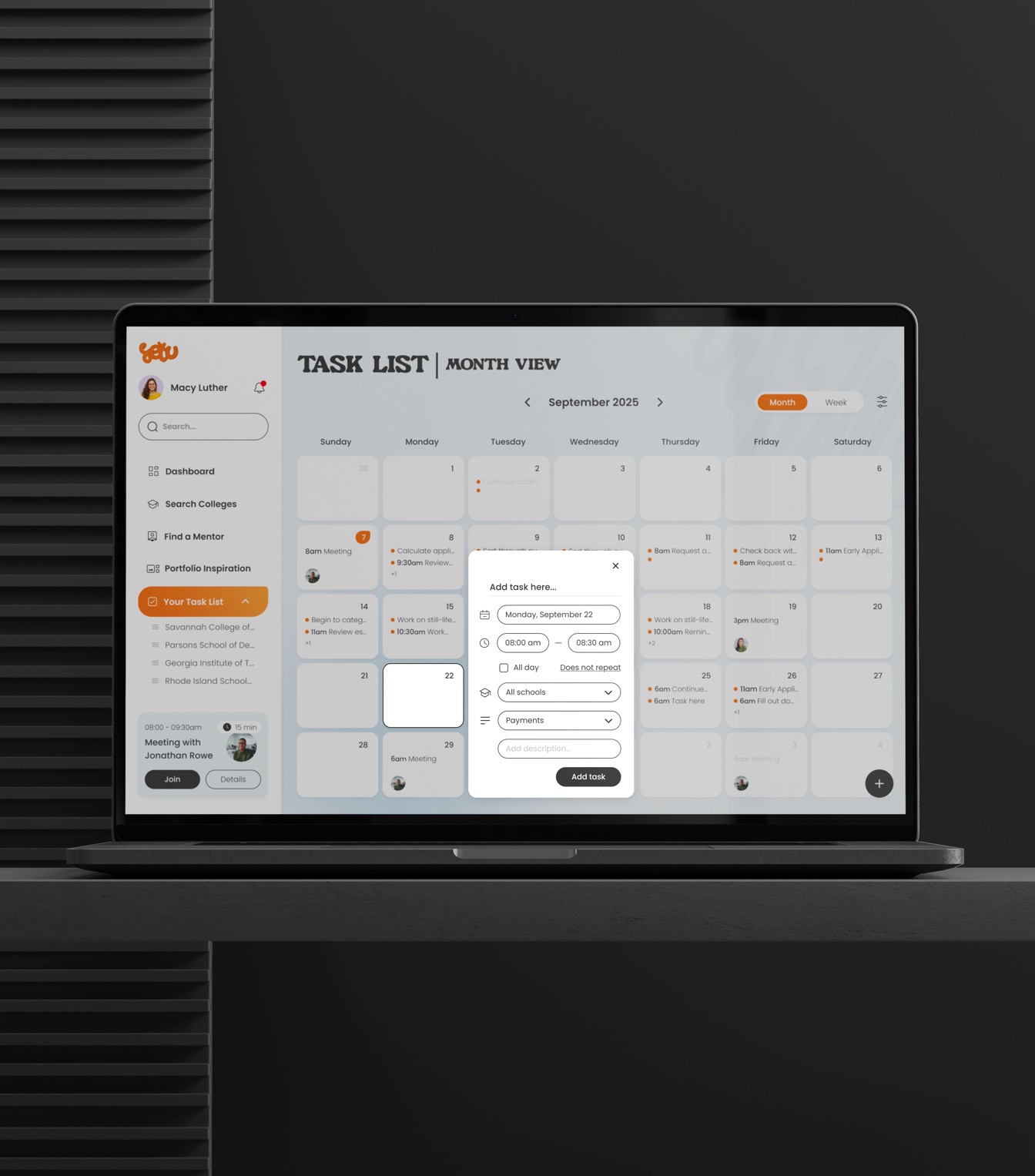
Automatically compile your selected schools’ portfolio requirements into one organized location. No more multiple tabs.
03 · Impact
04 · Research Highlights
Insight
63%
feel overwhelmed choosing which artworks to include.
Insight
Students don’t know what colleges are looking for.
Confirmed by portfolio reviewers at SCAD
Key takeaway
Students don’t lack talent. They lack guidance, structure, and someone to show them what good looks like.
05 · From Insight to Feature
01
How might we build students’ confidence in what schools want?
Be inspired + Explore universities
02
How might we give mentors a place to guide students?
Link with a mentor
03
How might we keep students on track with deadlines?
Stay organized
06 · Testing & Iteration
01
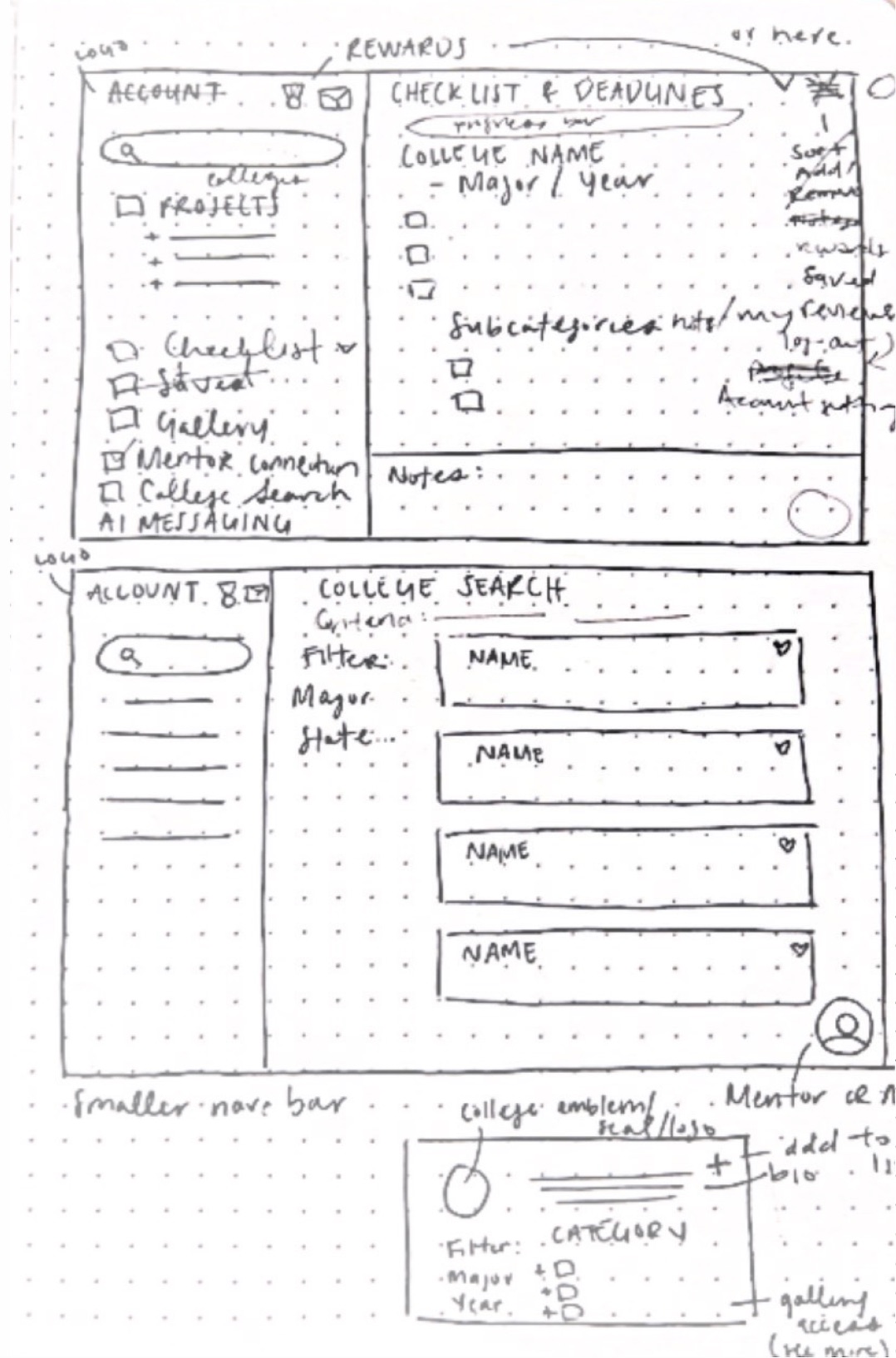
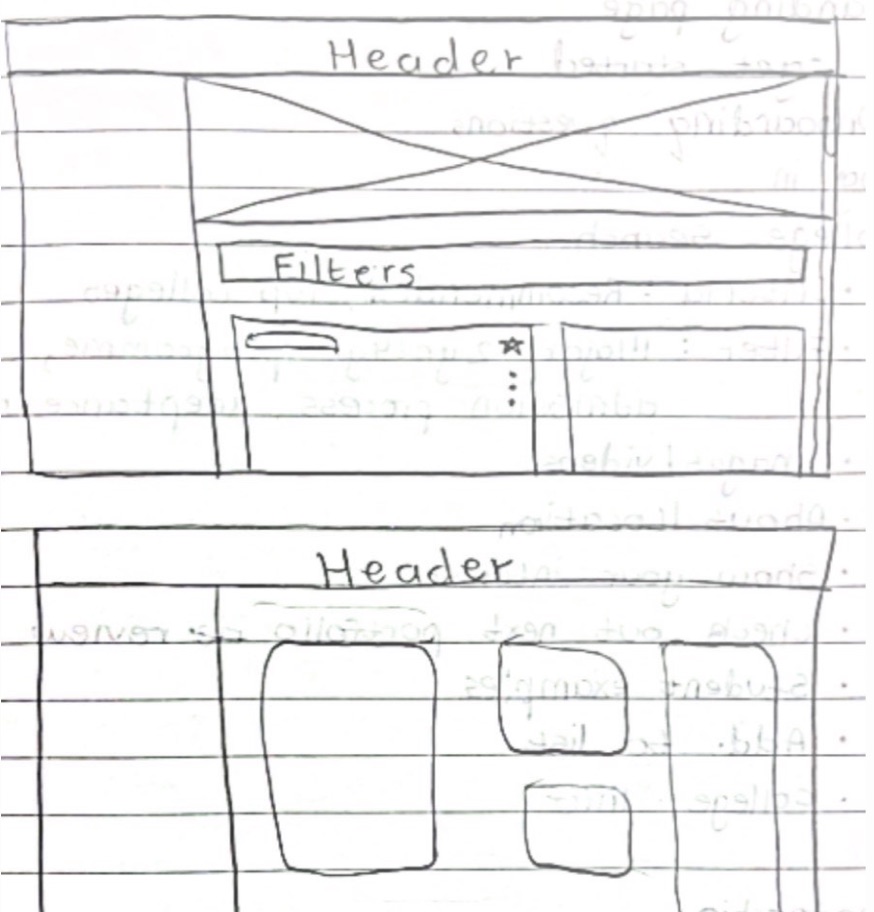
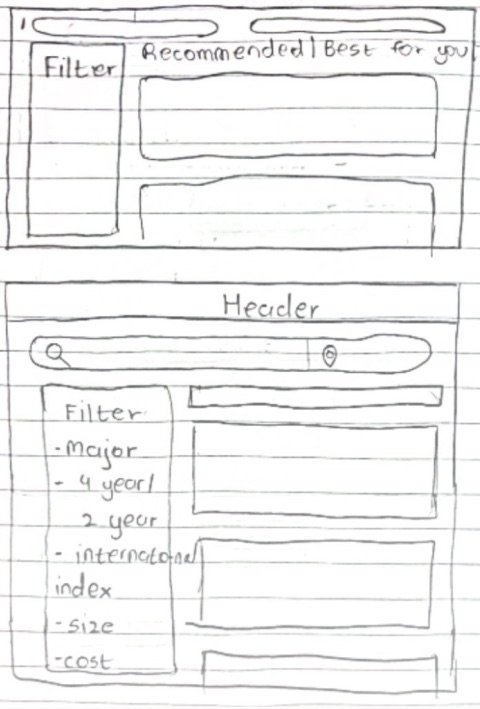
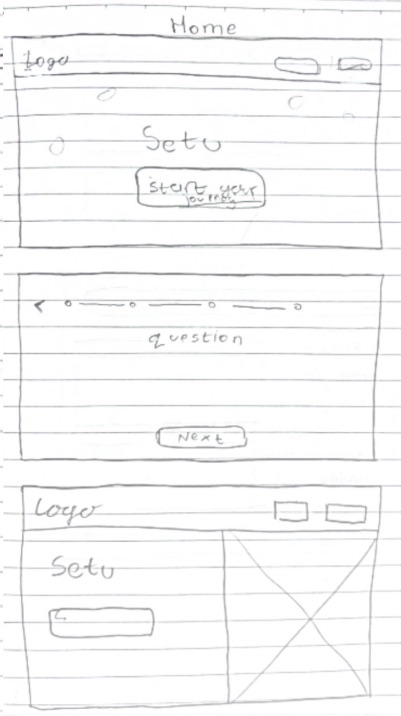
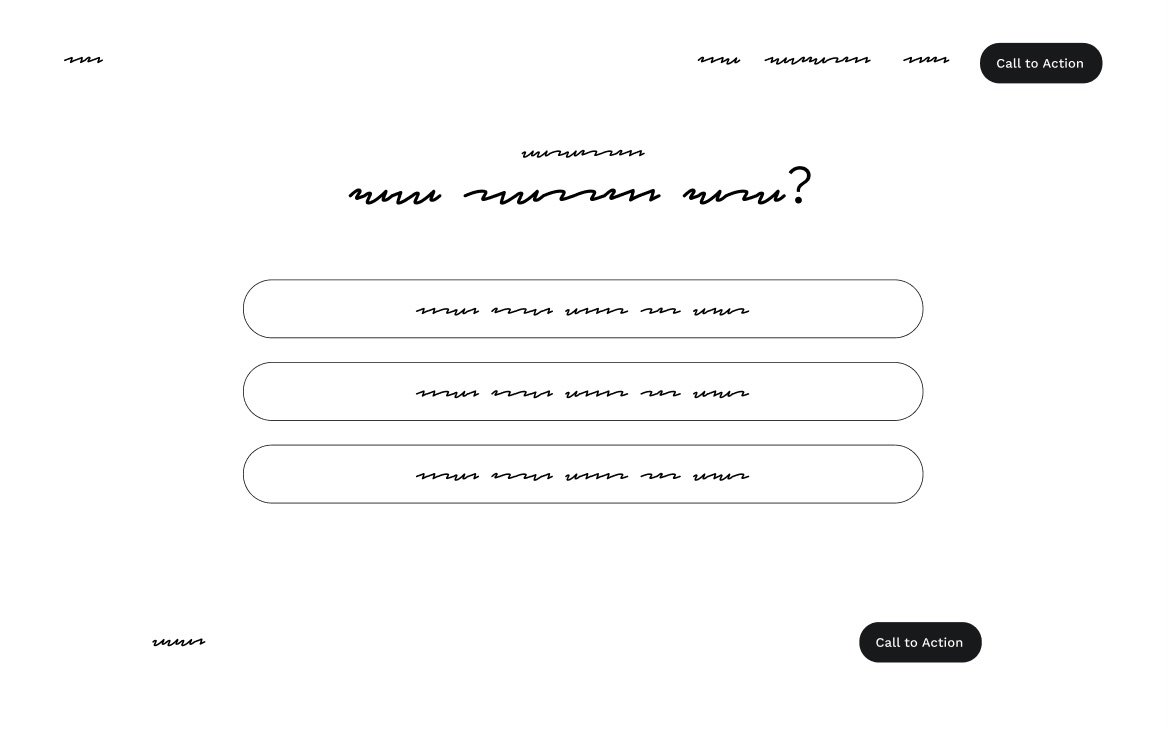
Ideas drawn fast, straight from the moodboard and research.
02
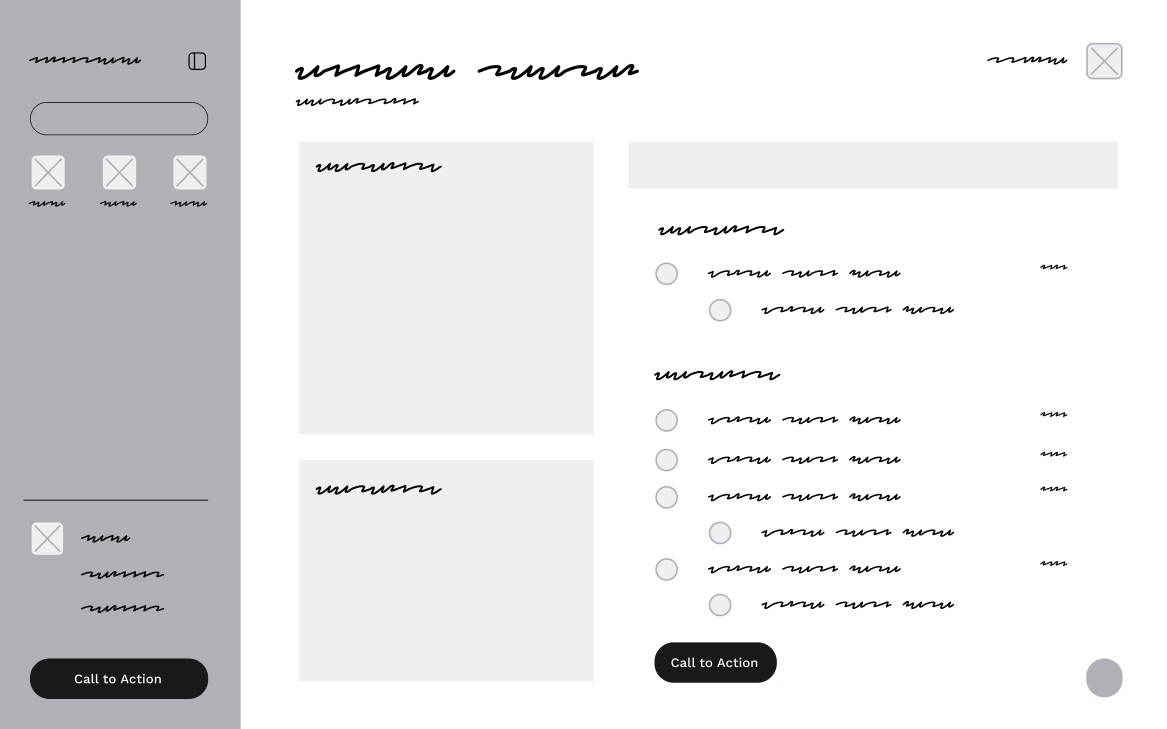
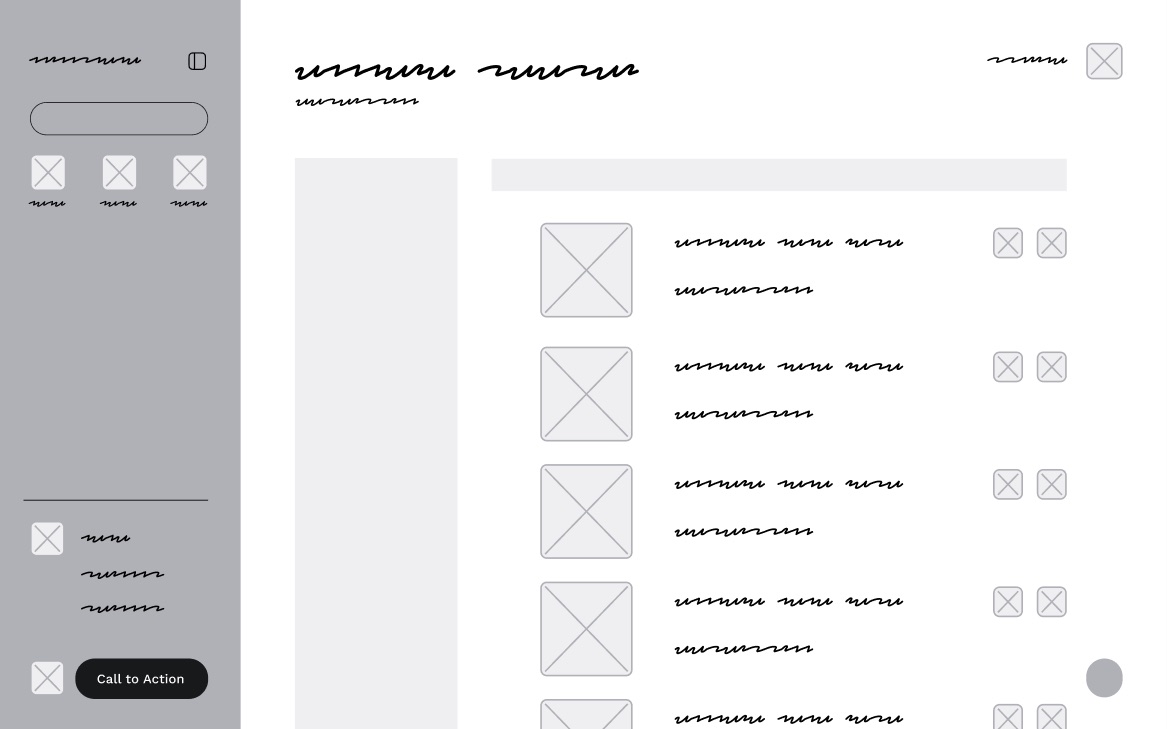
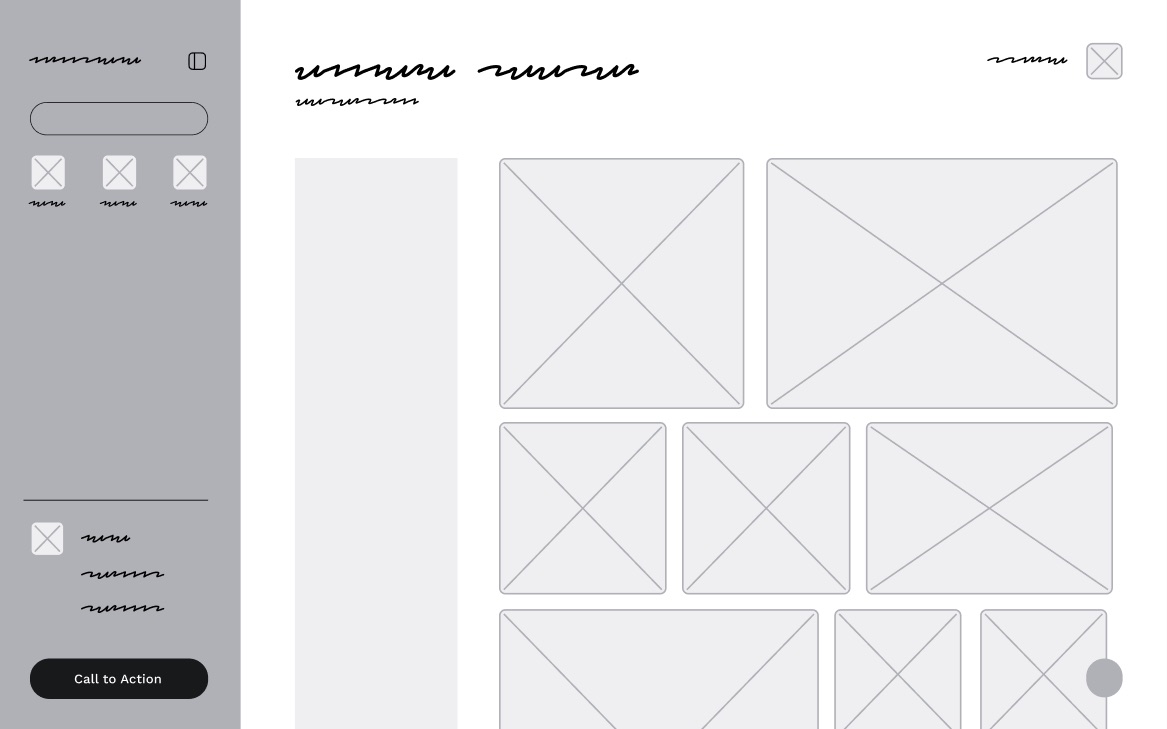
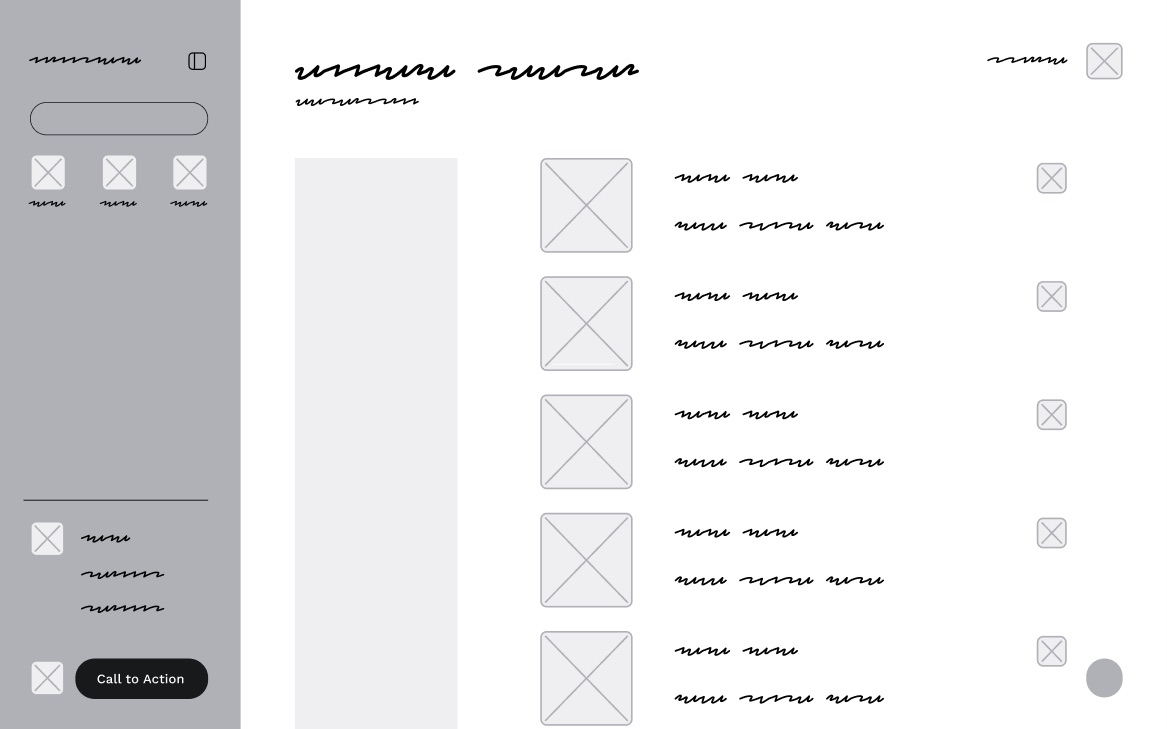
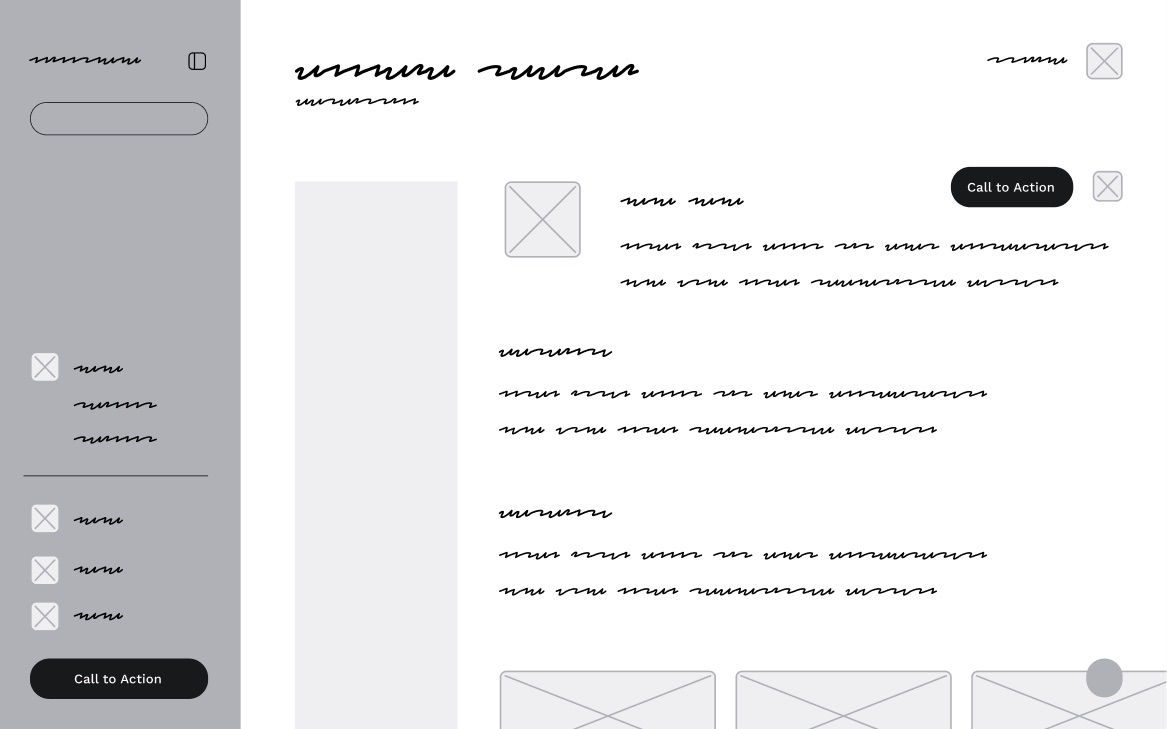
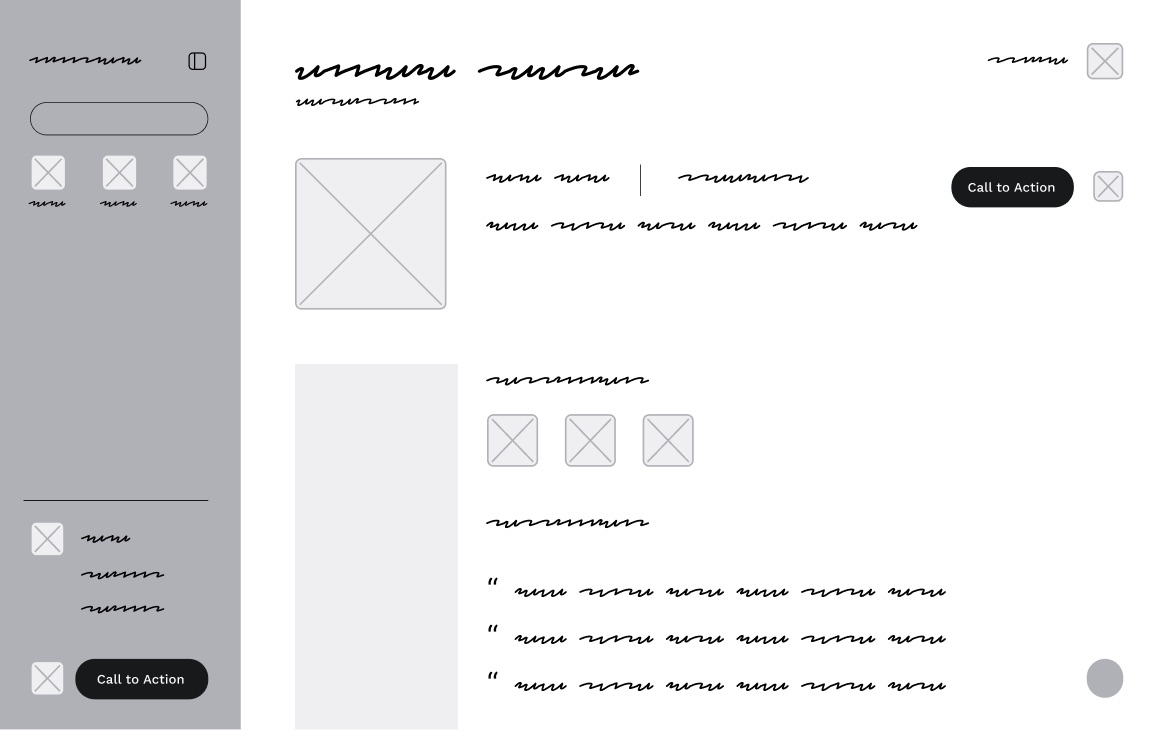
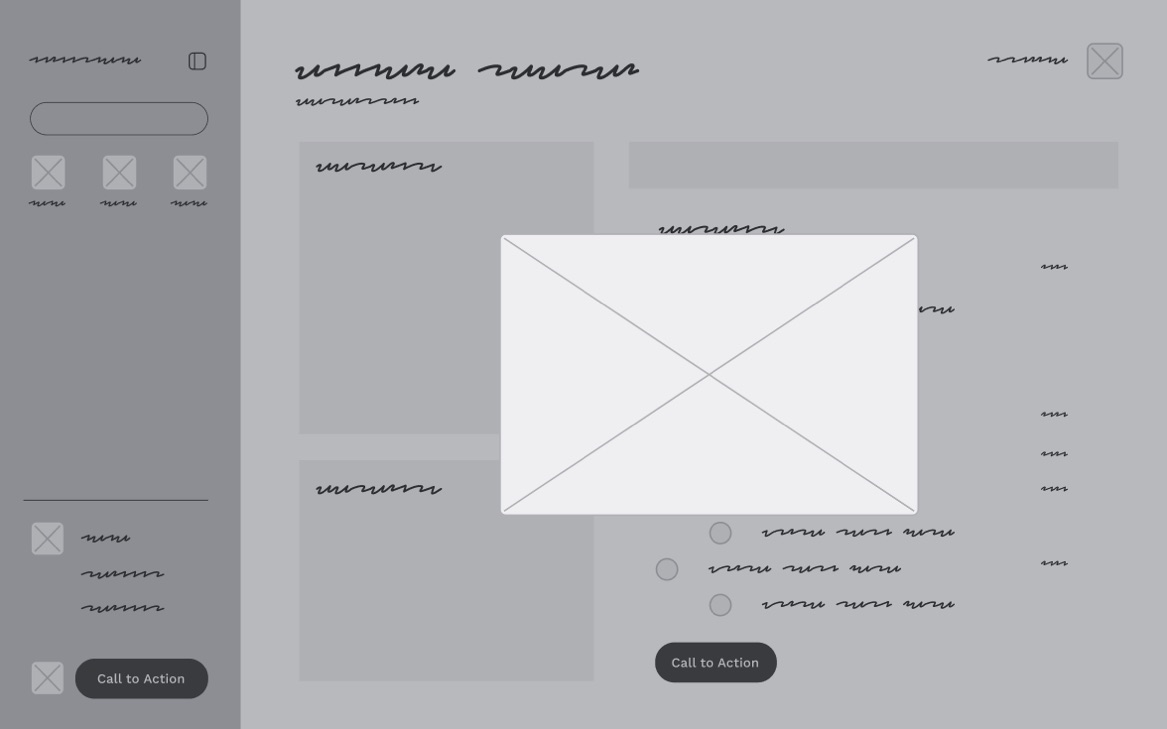
Structure only: where things live and how screens connect.
03
Real content and type, still in greyscale, ready to test.
04
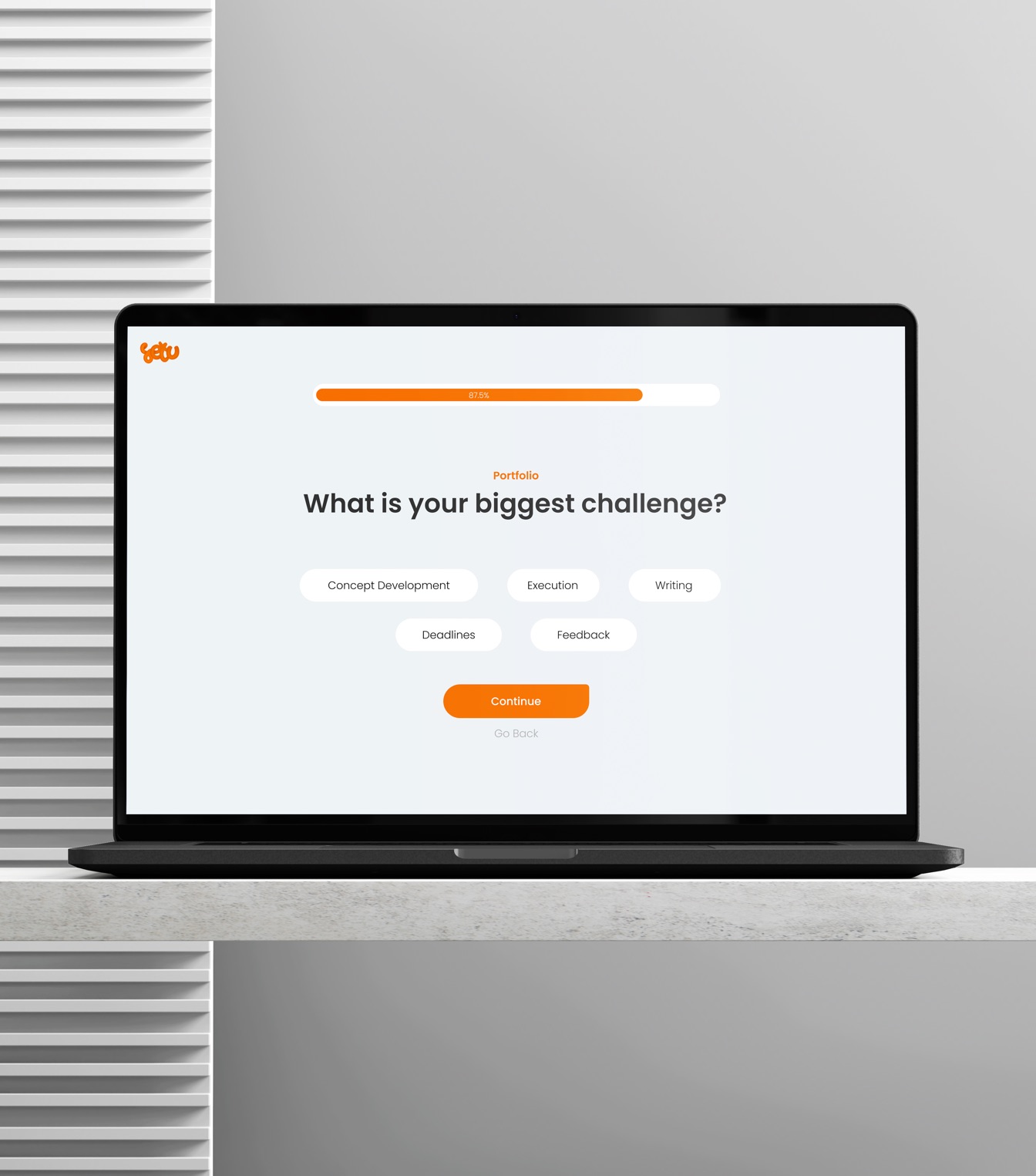
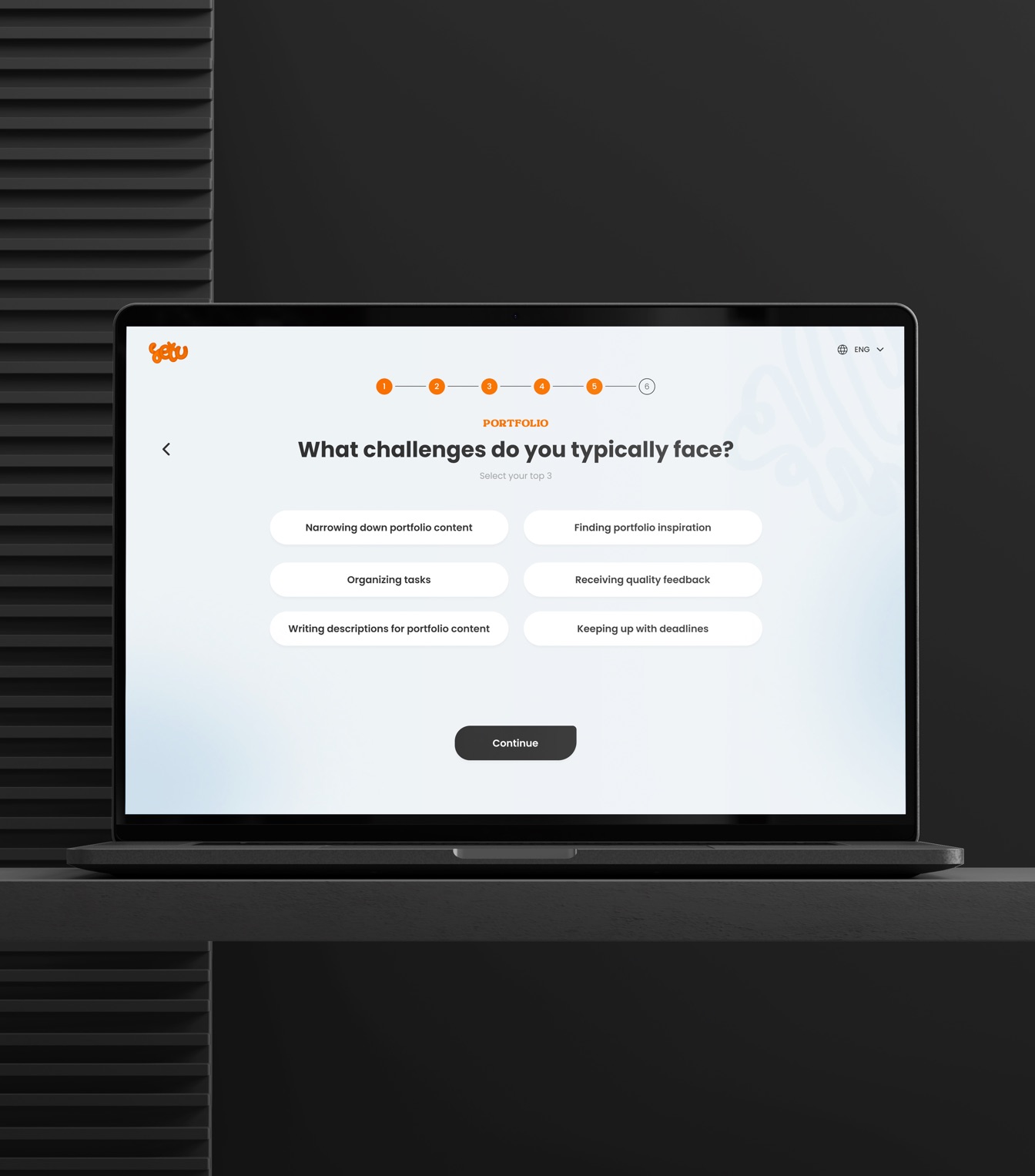
Colour, illustration and personality, refined over three rounds of testing.
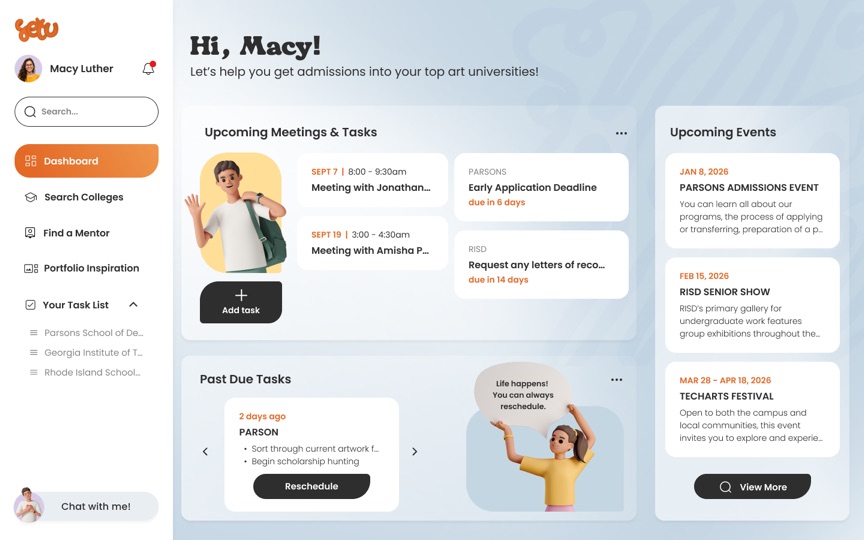
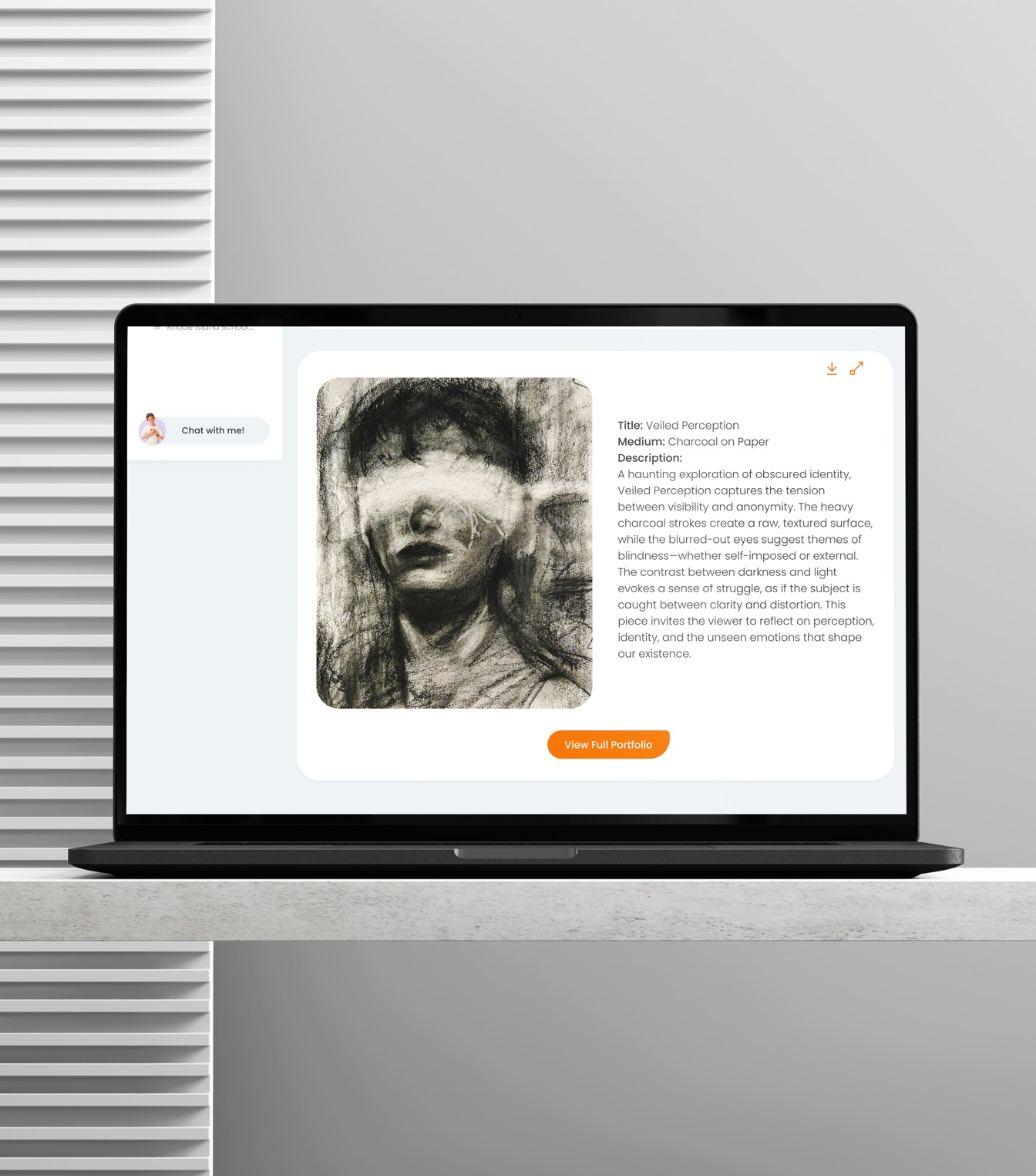
We analysed key insights from all three rounds of testing, refining our interfaces into their final designs.
07 · Learnings
01
The challenge
I came in with expectations shaped by my own experience as an international student, assuming what the product should be.
What I learned
Grounding decisions in research, not my own story, helped me understand our audience and see the problem with fresh eyes.
02
The challenge
We defaulted to minimalism and current trends, even when they didn’t resonate with young artists.
What I learned
Taking visual risks, with bold colour and illustration, connected with our audience far better.
03
The challenge
In a team of two, we owned every step of the process, which was both overwhelming and revealing.
What I learned
Leaning into my strengths and trusting my teammate to do the same made our collaboration stronger.